





Introduction
Wellness advice in 2026 is louder than ever — and more overwhelming.
Cold plunges. Cortisol-balancing supplements. AI-generated sleep scores. Microbiome testing. Somewhere between the biohacking rabbit holes and the $80 adaptogen lattes, a lot of people have quietly burned out trying to optimize their health.
Which is ironic, because burnout is the problem wellness is supposed to solve.
This article cuts through the noise. Whether you’re searching for realistic wellness trends worth adopting, trying to figure out which AI wellness tools are actually useful, or just looking for sustainable self-care routines that fit a real schedule — this is the practical, evidence-grounded guide you’ve been looking for.
No extremes. No hype. Just what works.
People find waiting more tolerable when they can see the work being done on their behalf
“Labor Illusion” insight
Table of Contents
- Realistic Wellness Trends for 2026
- AI & Digital Wellness: Tools, Apps, and Honest Trade-offs
- Comparison: AI Wellness Tools & Apps
- Science vs. Trend: What’s Backed, What’s Not
- Practical Wellness Habits for Busy Professionals
- FAQ
- Conclusion
1. Realistic Wellness Trends for 2026
The biggest shift in wellness this year isn’t a new gadget or protocol. It’s a values correction: people are moving away from extreme optimization and toward consistency, sustainability, and mental health as the actual foundation.
Mental Wellness Over Biohacking
The biohacking era peaked — and the backlash is real. Google searches for ‘burnout recovery’ and ‘mental health habits’ have outpaced trending biohacking terms consistently through 2025 and into 2026.
The mental health and digital wellness trends shaping this year reflect a broader truth: nervous system regulation, emotional resilience, and quality relationships have measurably stronger effects on long-term health outcomes than most supplementation stacks or cold exposure protocols.
What this looks like practically:
- Therapy and coaching going mainstream (not just crisis-driven)
- Breathwork and somatic practices replacing extreme stress tests
- Social connection deliberately scheduled as a health habit
- Digital boundaries treated as non-negotiable, not aspirational
Sleep Optimization: The Science Still Holds
Among all science-backed wellness trends worth trying in 2026, sleep optimization remains the one with the highest ROI and the lowest barrier to entry. The research isn’t new — it’s just still being ignored.
The most effective habits, based on consistent evidence:
- Consistent wake time (even weekends) — the single most impactful sleep variable
- Keeping the bedroom below 67°F / 19°C
- No screens 45–60 minutes before bed
- Morning light exposure within 30 minutes of waking
Fancy sleep trackers are optional. The habits are not.
Minimalist Self-Care Routines
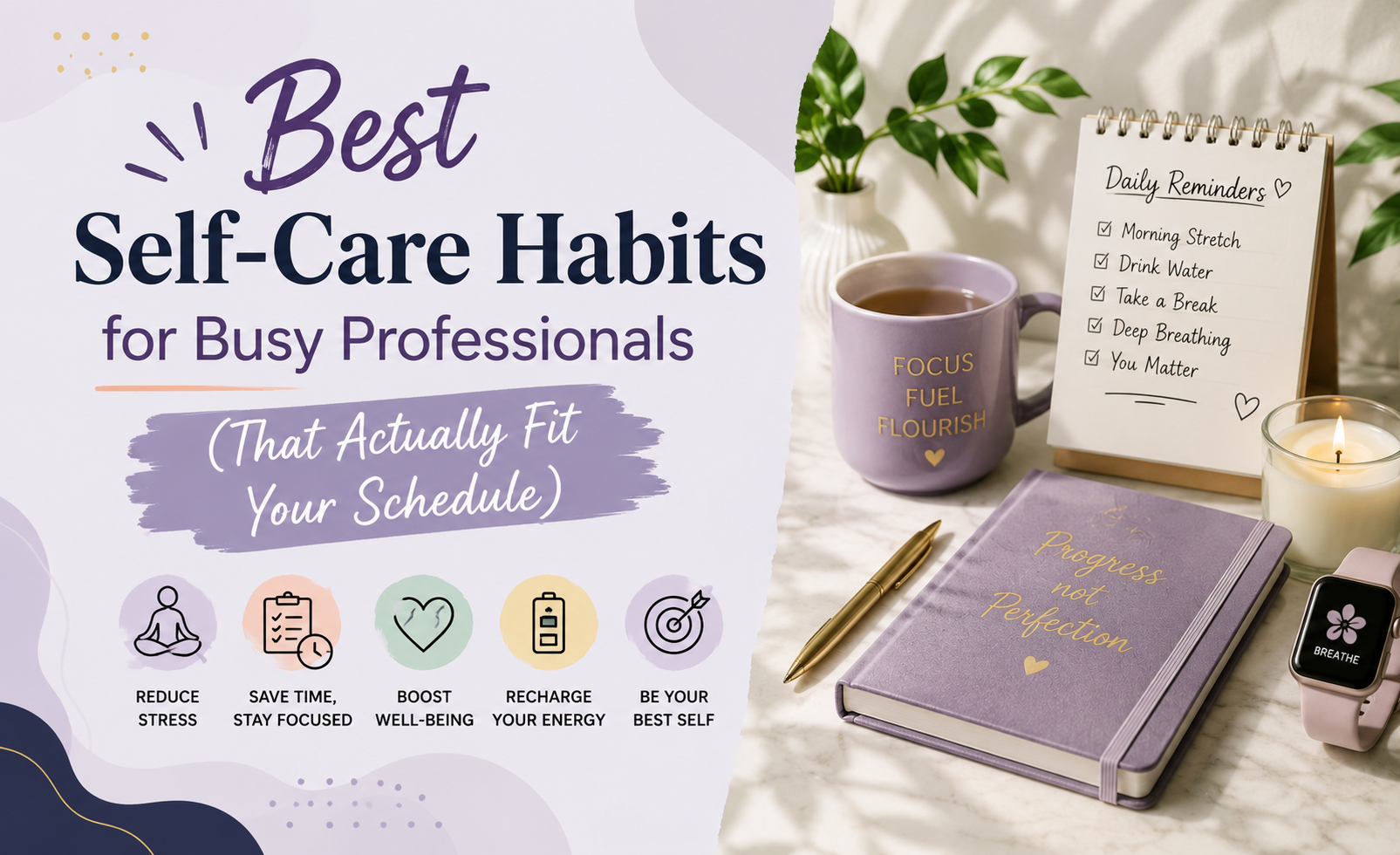
Sustainable self-care routines in 2026 look less like elaborate morning rituals and more like a small set of non-negotiable daily anchors.
The minimalist wellness movement — driven by post-pandemic fatigue with over-structured routines — emphasizes removing friction rather than adding protocols. A 10-minute walk, a consistent wake time, and one meal a day cooked at home beats an abandoned 25-step routine every time.
Sustainable Fitness Trends
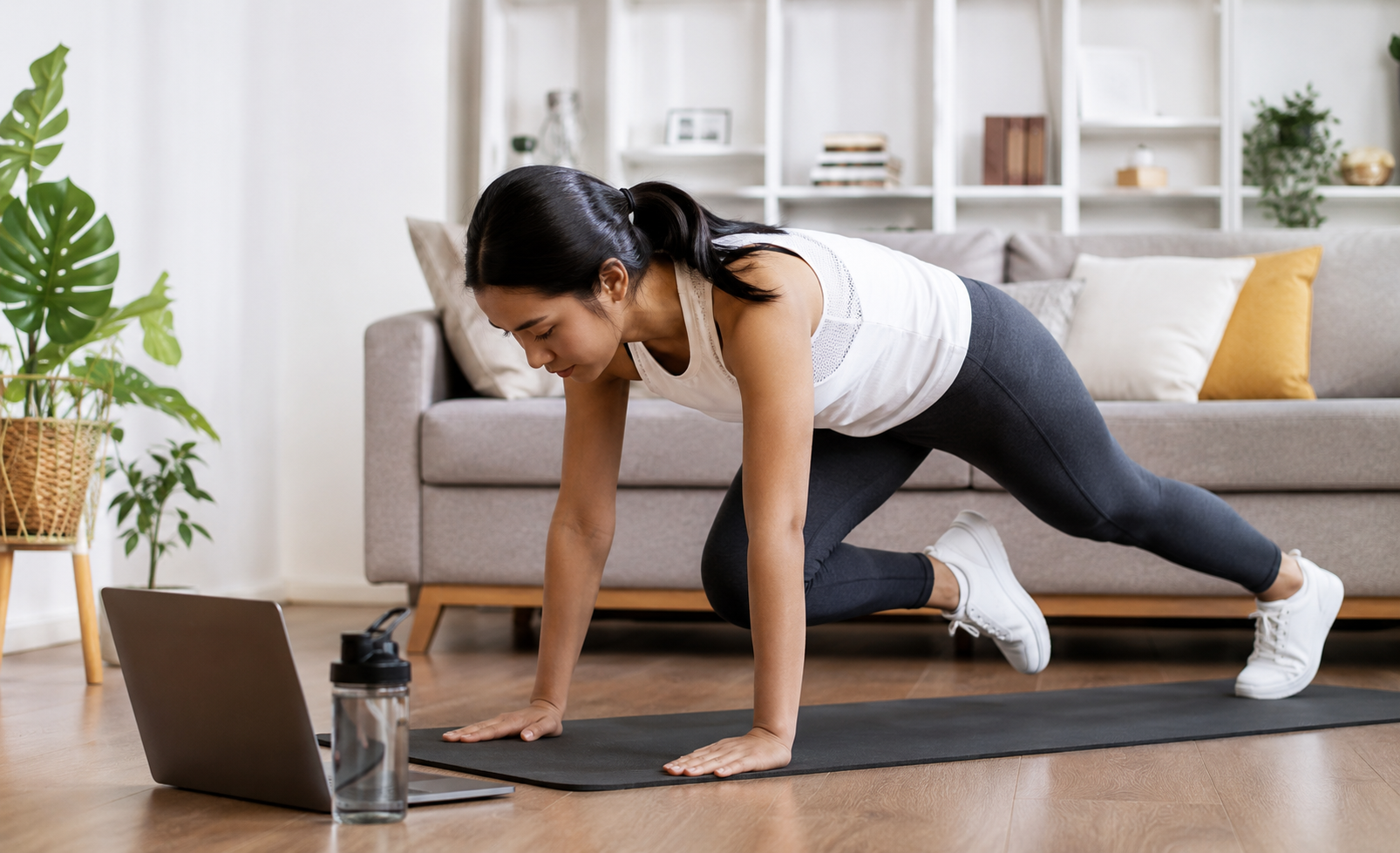
Zone 2 cardio, walking as training, and strength work twice a week have replaced HIIT obsession as the dominant framework among informed fitness professionals in 2026.
These aren’t new ideas. They’re proven, accessible, and compatible with real life — which is exactly why they’re trending now.
- Zone 2 training: low-intensity cardio that builds mitochondrial health and aerobic base
- Rucking: weighted walking, requires no gym, delivers strength and cardio benefits
- Resistance training 2x/week: minimum effective dose for muscle retention as you age
2. AI & Digital Wellness: Tools, Apps, and Honest Trade-offs
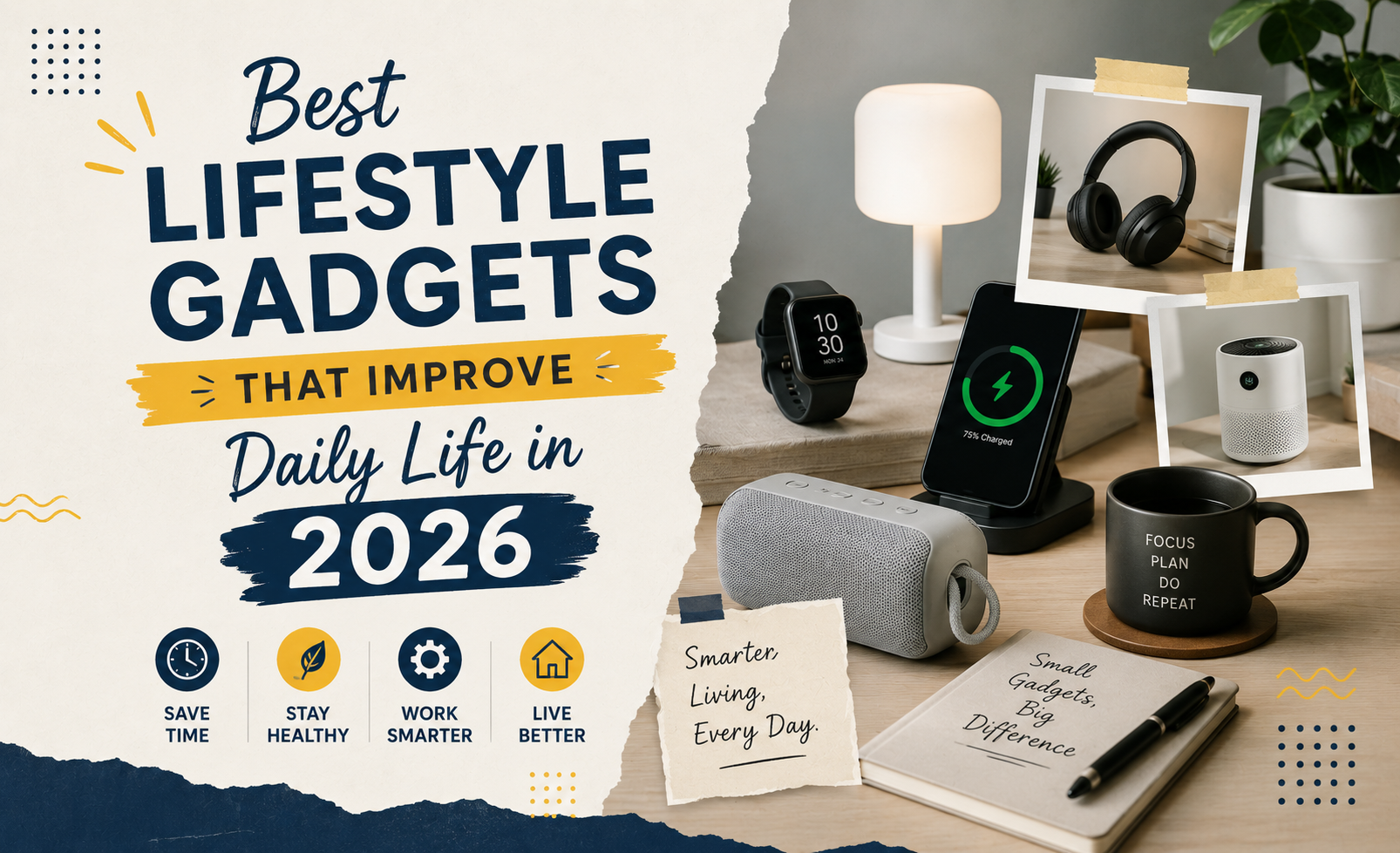
AI has moved from the fringes of wellness into the mainstream. In 2026, most major health platforms use some form of AI-driven personalization — but quality varies enormously, and the privacy trade-offs are real.
How AI Wellness Personalization Actually Works
The best AI wellness tools in 2026 pull from multiple data streams — sleep, heart rate variability (HRV), activity, and self-reported mood — to generate personalized recommendations. WHOOP’s strain and recovery scores, Apple Health’s trends, and Oura’s readiness scores all operate on this model.
When it works well, this kind of health optimization strategy gives you genuinely useful, individualized feedback rather than generic advice. When it doesn’t, it becomes an anxiety generator that turns every slightly elevated resting heart rate into a crisis.
Meditation Apps: Headspace vs. Calm
Both are well-designed, evidence-informed, and genuinely useful. The honest difference:
- Headspace: stronger structured courses, better for beginners building a foundation
- Calm: better sleep content (Sleep Stories remain a standout), more celebrity-anchored
- Neither replaces therapy. Both are useful complements to it.
For most people, pick one and actually use it — the platform matters far less than consistency.
Fitness Trackers: WHOOP vs. Fitbit vs. Apple Health
This is a genuine three-way trade-off between depth, accessibility, and ecosystem.
- WHOOP 4.0: deepest physiological data, subscription model, no screen (intentionally), best for serious athletes and data-driven users
- Fitbit (now Google): most accessible and affordable, broad feature set, but Google’s data practices have raised legitimate privacy concerns post-acquisition
- Apple Health ecosystem: best integration if you’re already in Apple hardware, strong privacy stance, less granular HRV and recovery data than WHOOP
Data Privacy in Wellness Apps
This is the underdiscussed cost of AI-driven health tracking. Health data is among the most sensitive personal information you can share — and most wellness apps monetize it in some form.
Key questions to ask before handing over your biometrics:
- Is data sold or shared with third parties?
- Is data stored on-device or in the cloud?
- What happens to your data if the company is acquired?
Apple Health and Oura score best on privacy by current standards. Google/Fitbit and many smaller apps require more scrutiny.
3. AI Wellness Tools & Apps: 2026 Comparison
Here’s an at-a-glance comparison of the major platforms across the criteria that actually matter for daily use:
|
Tool / App |
Accuracy |
Ease of Use |
Pricing |
Personalization |
Data Privacy |
|
Headspace |
High |
Excellent |
$12.99/mo |
Moderate |
Strong |
|
Calm |
High |
Excellent |
$14.99/mo |
Moderate |
Strong |
|
WHOOP 4.0 |
Very High |
Good |
$30/mo |
High |
Moderate |
|
Fitbit (Google) |
High |
Excellent |
Free–$9.99/mo |
Moderate |
Concerns* |
|
Apple Health |
High |
Excellent |
Free (hardware req.) |
High |
Strong |
|
Oura Ring Gen3 |
Very High |
Good |
$5.99/mo + device |
High |
Strong |
*Fitbit data practices have raised concerns following Google’s acquisition. Review their current privacy policy before use.
4. Science vs. Trend: What’s Backed, What’s Isn’t
Not every wellness trend in 2026 deserves equal trust. Here’s a plain-language breakdown:
Actually Science-Backed
- Sleep consistency and duration (extensive literature, strong consensus)
- Resistance training for longevity (robust evidence across age groups)
- Mindfulness and meditation for stress and anxiety (well-studied, effect sizes are real)
- Zone 2 aerobic training for metabolic health (growing, strong evidence base)
- Social connection as a health variable (often overlooked, very well-supported)
Promising but Overhyped
- Cold plunge / cold exposure: evidence for mood and alertness is real, longevity claims are not yet supported at scale
- Continuous glucose monitors (CGMs) for non-diabetics: useful for learning patterns, but the direct health benefit for metabolically healthy individuals is still unclear
- Most nootropic supplements: limited clinical evidence outside specific compounds like creatine and omega-3s
Marketing-Driven, Minimal Evidence
- Detox teas, juice cleanses: your liver and kidneys do this already
- IV drips for routine wellness: no evidence of benefit over regular hydration in healthy individuals
- Many ‘hormone-balancing’ supplements: largely unregulated, inconsistent formulations
The best filter: if a wellness claim requires you to buy something exclusive, distrust it first. Evidence-backed habits are almost always accessible and low-cost.
Why People Fall for Wellness Hype
The psychology here is well-understood. Wellness marketing targets exhausted people who want control over their health in a world that feels uncontrollable. Premium price signals competence. Complexity signals effectiveness.
Neither is true. The best wellness practices are boring, consistent, and free.
5. Practical Wellness Habits for 2026: A Realistic Framework
These are the best wellness habits for modern lifestyle in 2026 — vetted by evidence, designed for real schedules.
For Busy Professionals
- Non-negotiable daily walk (20–30 minutes): improves mood, metabolic health, and creative thinking
- One device-free meal per day: genuine recovery for the nervous system
- Weekly review of sleep data (not daily obsessing): spot trends without anxiety loops
- Strength training twice a week: 45 minutes per session is sufficient
- Social plan blocked in the calendar: treat it like a meeting
Digital Detox Strategies That Actually Work
Full digital detoxes tend to fail because they’re unsustainable. Micro-detox habits are far more effective for mental health and digital wellness:
- Phone out of bedroom — full stop
- No social media for the first 30 minutes after waking
- Notification audit: turn off everything that doesn’t require immediate action
- One screen-free evening per week
Stress Management in 2026
Realistic health optimization strategies for stress don’t require apps or supplements. The evidence consistently points to the same core practices:
- Physiological sigh (double inhale through nose, long exhale through mouth): fastest evidence-backed way to reduce acute stress, validated by Stanford research
- Exercise as a first-line intervention: more effective than most supplements for stress resilience
- Journaling: 10–15 minutes, 3x per week — shown to reduce rumination and improve emotional regulation
- Therapy: still the most effective intervention for chronic stress and anxiety, and accessibility has improved significantly with telehealth
The Future of Wellness and Lifestyle Habits
The future of wellness and lifestyle habits in 2026 and beyond is less about new technology and more about integration. The people who thrive won’t be the ones with the most data or the most expensive protocols — they’ll be the ones who’ve built a small set of sustainable habits and actually show up for them.
AI tools will get smarter. Wearables will get more accurate. But the fundamentals — sleep, movement, connection, stress management — aren’t going to change.
6. FAQ
What are the most realistic wellness trends in 2026?
The most sustainable and evidence-supported trends are sleep consistency, Zone 2 fitness, minimalist self-care routines, and mental health prioritization over biohacking. These aren’t flashy, but they have the strongest research backing and the lowest barriers to long-term adherence.
Are AI wellness tools accurate and reliable?
It depends on the tool and what you’re measuring. WHOOP and Oura Ring offer the most clinically validated physiological tracking. Meditation apps like Headspace and Calm are well-designed but complement rather than replace clinical care. All tools have limitations — treat them as useful guides, not medical diagnostics.
What wellness habits actually improve mental health?
Consistent sleep, regular exercise, social connection, mindfulness practice, and reduced screen time have the strongest evidence base for mental health improvement. Therapy remains the most effective intervention for anxiety and depression. No supplement or wearable comes close to these fundamentals.
Is AI-driven health tracking worth the privacy risk?
That’s a personal trade-off. Apple Health and Oura have the strongest current privacy practices. If you use Google/Fitbit or smaller apps, review their data-sharing policies carefully — especially regarding third-party data sales and what happens in a corporate acquisition scenario.
How do I start a sustainable self-care routine in 2026?
Start with three non-negotiables: a consistent wake time, a daily walk, and one device-free hour. Build from there. Adding too much too fast is the most common reason wellness routines collapse.
7. Conclusion
Wellness in 2026 doesn’t have to be complicated. The best wellness habits for modern lifestyle are almost always the ones you’ll actually do — consistently, over time, without requiring a $400/month budget.
The realistic picture: sleep properly, move daily, manage your relationship with technology, protect your mental health, and use AI tools as helpful feedback mechanisms rather than authority figures.
The future of wellness and lifestyle habits isn’t defined by what’s trending. It’s defined by what’s sustainable. And sustainable wellness has always been less about optimization and more about showing up for the basics, day after day.
That’s not a satisfying headline. But it’s what the evidence actually says.