







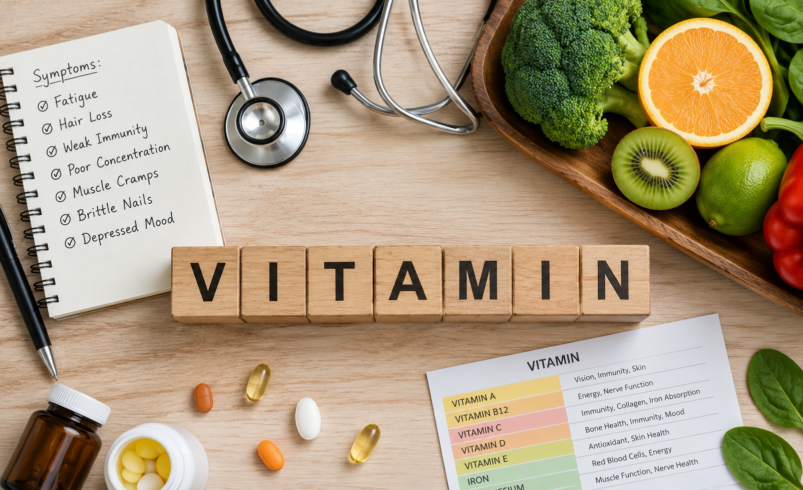

Introduction
Tiredness that won’t lift. Hair that falls out more than it should. Skin that stays dry no matter how much you moisturise. Mood that dips without obvious reason. These symptoms are easy to dismiss as stress, aging, or just life — but frequently, they’re your body signalling a nutritional gap.
Vitamin and mineral deficiencies are far more common than most people expect. The World Health Organization estimates that micronutrient deficiencies affect over 2 billion people globally — including millions in developed countries with abundant food supplies. The problem isn’t always access to food. It’s the quality and variety of what’s actually eaten.
Modern diets high in processed food and low in whole, varied nutrition create predictable deficiencies. So do certain lifestyle factors: limited sun exposure, restrictive diets, high stress, and specific medications that deplete nutrients over time.
This guide covers the 10 most common vitamin and mineral deficiencies — what each nutrient does, what its absence looks like, who’s most at risk, and how to address it. It’s informational, not medical advice: if you suspect a deficiency, a blood test with your healthcare provider is always the right starting point.
People find waiting more tolerable when they can see the work being done on their behalf
“Labor Illusion” insight
Table of Contents
- Quick-Reference: 10 Deficiencies at a Glance
- The 10 Most Common Deficiencies — In Depth
- Deficiency Fatigue vs Normal Tiredness
- Food Sources vs Supplements
- Mild vs Severe Symptoms: When to Act
- FAQ
- Conclusion
1. Quick-Reference: 10 Deficiencies at a Glance
|
Nutrient |
Key Symptom |
High-Risk Group |
Best Food Sources |
Supplement? |
|
Vitamin D |
Fatigue, bone pain, low mood |
Indoor workers, dark skin, elderly |
Fatty fish, egg yolks, sunlight |
Often needed |
|
Vitamin B12 |
Fatigue, nerve tingling, brain fog |
Vegans, older adults, metformin users |
Meat, dairy, eggs, fortified foods |
Yes (vegans) |
|
Iron |
Fatigue, pale skin, breathlessness |
Women, vegetarians, athletes |
Red meat, lentils, spinach |
If deficient |
|
Vitamin C |
Slow healing, joint pain, fatigue |
Smokers, poor diet, elderly |
Citrus, bell peppers, kiwi |
Generally unnecessary |
|
Calcium |
Muscle cramps, weak nails, dental |
Women post-menopause, low dairy |
Dairy, sardines, tofu, kale |
Possible |
|
Magnesium |
Cramps, insomnia, anxiety |
High stress, poor diet, diabetics |
Nuts, seeds, dark chocolate, legumes |
Often helpful |
|
Vitamin A |
Night blindness, dry skin |
Low-fat dieters, developing countries |
Liver, carrots, sweet potato |
Only if deficient |
|
Folate |
Fatigue, mouth sores, neural tube risk |
Women of childbearing age, alcoholics |
Leafy greens, legumes, fortified grains |
Pregnancy essential |
|
Zinc |
Slow healing, hair loss, taste loss |
Vegetarians, elderly, athletes |
Oysters, meat, pumpkin seeds |
Moderate doses |
|
Omega-3 |
Dry skin, low mood, poor focus |
Vegetarians, low fish intake |
Fatty fish, walnuts, flaxseeds |
Fish oil / algae |
2. The 10 Most Common Deficiencies — In Depth
☀️ Vitamin D Deficiency
Vitamin D is arguably the most widespread deficiency in modern populations — affecting an estimated 1 billion people globally. It’s produced when skin is exposed to UVB sunlight, which makes it uniquely vulnerable in populations that work indoors, live in northern latitudes, or have darker skin tones that require longer sun exposure to produce equivalent amounts.
What it does
Vitamin D regulates calcium and phosphorus absorption for bone health, supports immune function, influences mood regulation, and plays a role in muscle function and inflammation control. It behaves more like a hormone than a traditional vitamin.
Symptoms
- Persistent fatigue that doesn’t improve with rest
- Bone pain or aching — particularly in the lower back, legs, and hips
- Muscle weakness or cramps
- Low mood, depression, or seasonal mood dips
- Frequent infections or slow immune recovery
- Hair thinning
Early warning signs people ignore
Feeling inexplicably low in winter, catching every illness that circulates at work, and fatigue that’s present even on well-rested days — these are frequently vitamin D-related and frequently attributed to ‘just being tired.’
High-risk groups
- People who work indoors with little midday sun exposure
- Individuals with darker skin tones (melanin reduces UVB absorption)
- Adults over 65 (skin produces less vitamin D with age)
- Overweight individuals (vitamin D is stored in fat tissue, reducing circulating levels)
- People in northern latitudes (UK, Canada, northern Europe) October–April
Best food sources
- Fatty fish (salmon, mackerel, sardines)
- Egg yolks
- Fortified foods (milk, plant-based milks, cereals)
- UV-exposed mushrooms
Natural ways to improve levels
10–20 minutes of midday sun on arms and legs (without sunscreen for that window) is the fastest natural route. Food sources alone rarely achieve optimal levels in deficient individuals.
Severe vitamin D deficiency causes osteomalacia (bone softening) in adults and rickets in children. A blood test (25-OH vitamin D) is the only reliable way to confirm levels — supplements require the right dose based on actual results.
🔴 Vitamin B12 Deficiency
B12 is found almost exclusively in animal products, making it the nutrient most predictably affected by plant-based diets. It’s also commonly depleted by metformin (a common diabetes medication) and by age-related changes in stomach acid production.
What it does
B12 is essential for red blood cell production, DNA synthesis, and nerve function. The neurological effects of deficiency are particularly significant — and can become irreversible if the deficiency is prolonged.
Symptoms
- Fatigue and weakness — one of the most commonly reported symptoms of vitamin deficiency in adults
- Tingling or numbness in hands and feet
- Brain fog, memory issues, difficulty concentrating
- Pale or slightly yellowish skin
- Sore, swollen tongue
- Mood changes, irritability, or depression
- Balance problems in more advanced cases
High-risk groups
- Vegans and vegetarians (B12 is absent from plant foods)
- Adults over 50 (stomach acid production declines, reducing B12 absorption)
- People taking metformin or proton pump inhibitors long-term
- People with Crohn’s disease, coeliac disease, or other absorption conditions
Best food sources
- Meat (beef, lamb) and organ meats
- Fish and shellfish
- Dairy products and eggs
- Fortified plant milks, nutritional yeast, fortified cereals
When supplements are necessary
For vegans and vegetarians, supplementation isn’t optional — it’s essential. B12 from plant-based fortified foods is inconsistent. A regular supplement (cyanocobalamin or methylcobalamin) is the reliable solution. Older adults may need sublingual (under-tongue) forms for better absorption.
B12 deficiency can take years to develop symptoms because the liver stores a 3–5 year reserve. By the time symptoms appear, deficiency is often significant.
🩸 Iron Deficiency
Iron deficiency is the most common nutritional deficiency worldwide, affecting particularly women of reproductive age, vegetarians, and athletes. Iron deficiency anaemia — the most advanced stage — affects over 1.2 billion people globally.
What it does
Iron is essential for haemoglobin production — the protein in red blood cells that carries oxygen from the lungs to the rest of the body. Without adequate iron, cells are oxygen-deprived, producing the characteristic fatigue and reduced physical capacity of deficiency.
Symptoms
- Persistent fatigue — the most classic symptom of iron deficiency
- Pale skin, pale inner eyelids, pale nail beds
- Shortness of breath during activities that normally feel easy
- Cold hands and feet
- Brittle nails or nails that develop a spoon-shaped indentation (koilonychia)
- Unusual cravings for non-food substances like ice, dirt, or starch (pica)
- Restless legs syndrome
High-risk groups
- Women with heavy menstrual periods — the single largest cause of iron deficiency in women
- Pregnant women (blood volume expands, iron requirements increase significantly)
- Vegetarians and vegans (plant-based iron is less bioavailable than haem iron from meat)
- Endurance athletes (iron is lost through sweat and foot-strike haemolysis)
Best food sources
- Red meat and organ meats (most bioavailable haem iron)
- Clams, oysters, and sardines
- Lentils, chickpeas, and kidney beans (non-haem iron)
- Spinach and dark leafy greens
- Tofu, pumpkin seeds, and fortified cereals
Absorption tips
Consuming vitamin C alongside non-haem (plant-based) iron sources significantly improves absorption. Avoid tea, coffee, and calcium-rich foods within an hour of iron-rich meals — these all inhibit iron absorption.
Fatigue caused by iron deficiency anaemia requires medical confirmation and appropriate treatment. Self-supplementing with high-dose iron without blood test confirmation carries risks — excess iron causes its own health problems.
🍊 Vitamin C Deficiency
Severe vitamin C deficiency causes scurvy — historically a disease of sailors, now rare in developed countries. Mild to moderate deficiency, however, is more common than expected and produces symptoms that are frequently dismissed.
What it does
Vitamin C is essential for collagen synthesis (the structural protein of skin, joints, and blood vessels), immune function, iron absorption, and antioxidant protection. It’s water-soluble and not stored in significant quantities — requiring regular dietary intake.
Symptoms
- Slow wound healing
- Rough, bumpy skin (hyperkeratosis)
- Easy bruising
- Gum problems — bleeding gums are a classic early sign
- Joint pain and swelling
- Fatigue and irritability
- Frequent illness and slow recovery from infections
High-risk groups
- Smokers (smoking depletes vitamin C at approximately twice the normal rate)
- People with restricted diets low in fruits and vegetables
- Individuals with malabsorption conditions
- Older adults eating limited variety
Best food sources
- Bell peppers (red and yellow — higher C than oranges)
- Kiwi fruit
- Citrus fruits (oranges, grapefruit, lemon)
- Strawberries, guava, and papaya
- Broccoli, Brussels sprouts, and kale
Vitamin C is destroyed by heat and prolonged cooking. Raw or lightly cooked vegetables retain significantly more than well-cooked ones.
🦷 Calcium Deficiency
Calcium is the most abundant mineral in the body, with 99% stored in bones and teeth. Inadequate intake over time doesn’t produce dramatic immediate symptoms — which is why calcium deficiency is frequently unnoticed until bone density is already compromised.
What it does
Beyond bone structure, calcium is essential for muscle contraction (including the heart), nerve signal transmission, and blood clotting. The body maintains blood calcium levels precisely — drawing from bones when dietary intake is insufficient, silently weakening skeletal density over time.
Symptoms
- Muscle cramps, particularly in legs and feet
- Tingling or numbness in fingers
- Weak, brittle nails
- Dental problems and weakened tooth enamel
- Osteoporosis (low bone density) — typically a long-term consequence, not an early symptom
- In severe acute cases: irregular heartbeat, seizures
High-risk groups
- Post-menopausal women (oestrogen protects bone density; its decline accelerates calcium loss)
- Vegans and those avoiding dairy
- People with vitamin D deficiency (vitamin D is required for calcium absorption)
- Those taking certain medications including corticosteroids
Best food sources
- Dairy (milk, yoghurt, cheese — most bioavailable sources)
- Canned sardines and salmon with bones
- Fortified plant milks and tofu made with calcium sulphate
- Kale, bok choy, and broccoli (note: spinach calcium is poorly absorbed due to oxalates)
💤 Magnesium Deficiency
Magnesium participates in over 300 enzymatic reactions in the body — yet dietary surveys consistently show that a significant proportion of adults consume below the recommended intake. It’s one of the most quietly impactful deficiencies.
What it does
Magnesium is involved in energy production, protein synthesis, muscle and nerve function, blood glucose regulation, and blood pressure control. It also plays a central role in sleep quality — influencing melatonin regulation and the activation of the parasympathetic nervous system.
Symptoms
- Muscle cramps and spasms — one of the most recognisable signs
- Insomnia or poor sleep quality
- Anxiety, restlessness, or heightened stress response
- Fatigue and low energy
- Headaches or migraines
- Irregular heartbeat in more significant deficiency
High-risk groups
- People under chronic stress (cortisol depletes magnesium)
- Individuals eating high amounts of processed food (refining removes magnesium)
- Type 2 diabetics (excess glucose excretion pulls magnesium with it)
- Heavy alcohol consumers
Best food sources
- Dark chocolate (70%+)
- Pumpkin seeds and almonds
- Legumes — black beans, lentils, chickpeas
- Whole grains
- Dark leafy greens
Supplement note
Magnesium glycinate and magnesium malate are the most bioavailable forms with fewest digestive side effects. Magnesium oxide is widely sold but poorly absorbed.
👁️ Vitamin A Deficiency
Vitamin A deficiency is rare in developed countries but does occur in individuals with very low-fat diets (fat is required for absorption) or severe digestive conditions. In developing regions, it remains a leading cause of preventable childhood blindness.
What it does
Vitamin A is essential for vision (particularly low-light and night vision), immune function, skin cell turnover, and reproductive health. It exists in two forms in food: preformed vitamin A (retinol) in animal products, and provitamin A carotenoids (like beta-carotene) in plant foods.
Symptoms
- Night blindness — difficulty adjusting to dim light, one of the earliest signs
- Dry, rough skin — particularly on the backs of arms
- Frequent infections — vitamin A is critical for mucous membrane integrity
- Dry eyes
- Slow wound healing
Best food sources
- Liver (the most concentrated source)
- Fatty fish
- Egg yolks and dairy
- Orange and yellow vegetables — carrots, sweet potato, butternut squash (beta-carotene)
- Dark leafy greens (spinach, kale)
Vitamin A from supplements can accumulate to toxic levels — unlike beta-carotene from plant foods, which the body converts only as needed. Do not supplement without confirmed deficiency.
🤰 Folate (Vitamin B9) Deficiency
Folate is critical at every life stage but is especially important during pregnancy, where deficiency significantly increases the risk of neural tube defects (conditions affecting the developing brain and spine) in the first weeks of pregnancy — often before many women know they’re pregnant.
What it does
Folate is essential for DNA synthesis and repair, red blood cell production, and cell division — making it particularly critical during periods of rapid growth (pregnancy, infancy, adolescence). It also works alongside B12 in several metabolic pathways.
Symptoms
- Fatigue and weakness
- Mouth ulcers and sore tongue
- Pale skin
- Irritability and mood changes
- Difficulty concentrating
- In pregnancy: increased risk of neural tube defects in the developing foetus
High-risk groups
- Women planning pregnancy or in the first trimester — the highest-priority group
- Individuals with alcohol use disorder (alcohol impairs folate absorption and metabolism)
- People with coeliac disease or inflammatory bowel disease
- Those taking methotrexate or certain other medications
Best food sources
- Dark leafy greens — spinach, romaine, kale
- Legumes — lentils, chickpeas, black beans
- Asparagus, broccoli, Brussels sprouts
- Fortified grains and cereals
Any woman who could become pregnant is advised to take 400mcg of folic acid daily — ideally 3 months before conception and through the first trimester. This is one of the most evidence-supported supplement recommendations in nutrition.
🔬 Zinc Deficiency
Zinc is involved in over 300 enzymatic functions and is particularly important for immune defence, wound healing, taste and smell perception, and protein synthesis. Deficiency is subtle and easy to miss — because it often presents as general health decline rather than a specific recognisable symptom.
Symptoms
- Slow wound healing
- Frequent infections and weakened immune response
- Hair thinning or loss
- Loss of taste or smell
- Skin problems — acne, eczema, or dermatitis
- Poor appetite
- In men: reproductive health effects including low testosterone
High-risk groups
- Vegetarians and vegans (phytates in plant foods inhibit zinc absorption)
- Older adults
- Athletes (zinc is lost in sweat)
- People with digestive disorders
Best food sources
- Oysters (by far the most concentrated source)
- Red meat and poultry
- Pumpkin seeds
- Lentils, chickpeas, and beans
- Cashews and hemp seeds
🐠 Omega-3 Fatty Acid Deficiency
Omega-3s — specifically EPA and DHA — are technically essential fatty acids, not vitamins. But their widespread insufficiency in modern diets and their wide-ranging health effects place them firmly in this conversation.
What they do
EPA and DHA are structural components of cell membranes throughout the body — particularly concentrated in the brain, retina, and heart. They regulate inflammation, support cognitive function, influence mood, and play significant roles in cardiovascular health.
Symptoms of deficiency
- Dry, flaky skin and brittle hair
- Joint pain and stiffness
- Low mood, anxiety, or difficulty managing stress
- Poor concentration and brain fog
- Dry eyes
- Poor sleep quality
High-risk groups
- People who eat little or no oily fish
- Vegetarians and vegans (plant-based ALA converts inefficiently to EPA/DHA)
- People with high omega-6 intake from processed vegetable oils (which competes with omega-3 utilisation)
Best food sources
- Fatty fish: salmon, mackerel, sardines, anchovies (2 portions per week meets most needs)
- Walnuts and flaxseeds (ALA — plant-based precursor)
- Algae-based omega-3 supplements — the only direct vegan source of EPA/DHA
3. Deficiency Fatigue vs Normal Tiredness
Fatigue caused by vitamin deficiency is one of the most commonly missed diagnoses — because fatigue is also the most commonly experienced symptom of modern life. Here’s how to distinguish the two:
|
Factor |
Deficiency Fatigue |
Normal Tiredness |
|
Cause |
Low nutrient levels affecting cellular energy |
Insufficient sleep or overexertion |
|
Duration |
Persistent, doesn’t resolve with rest |
Resolves after sleep or recovery |
|
Pattern |
Constant, regardless of activity level |
Tied to specific events or sleep quality |
|
Other signs |
Often accompanies other symptoms (tingling, pallor, brain fog) |
Usually isolated to energy |
|
Resolution |
Requires dietary change or supplementation |
Resolves with adequate rest |
|
Test needed |
Blood test to confirm |
Usually no testing needed |
The key clinical question: does your fatigue persist despite adequate sleep and rest? If yes, a blood test covering vitamin D, B12, iron (ferritin), and thyroid function is a reasonable starting point.
4. Food Sources vs Supplements: What the Evidence Says
The supplement industry generates billions annually partly by framing nutrients as pills rather than food. Here’s a grounded comparison of when each approach is appropriate:
|
Aspect |
Food Sources |
Supplements |
|
Bioavailability |
Often higher — cofactors aid absorption |
Variable — depends on form |
|
Additional nutrients |
Yes — fibre, antioxidants, protein |
Typically isolated nutrient only |
|
Cost |
Variable — can be affordable |
Ongoing monthly cost |
|
Risk of excess |
Very low — body regulates well |
Possible with fat-soluble vitamins (A, D, E, K) |
|
Best for |
Long-term sustainable nutrition |
Correcting confirmed deficiency quickly |
|
Verdict |
First choice whenever possible |
Targeted use when diet alone insufficient |
Food first is the principle. Supplements second, when diet is insufficient or deficiency is confirmed. Both together when blood tests show significant depletion.
5. Mild vs Severe Symptoms: When to Take Action
Most deficiencies develop gradually — moving from subclinical (no obvious symptoms but suboptimal function) to mild, moderate, and severe stages. Knowing where on that spectrum a symptom sits determines the appropriate response.
Mild — Dietary Improvement First
- Occasional fatigue that doesn’t affect daily function
- Slightly dry skin or nails
- Mood dips without clinical depression
- Getting ill slightly more than usual
Moderate — Test and Consider Supplementation
- Persistent fatigue despite adequate sleep
- Noticeable hair thinning
- Muscle cramps occurring regularly
- Poor wound healing over several weeks
- Recurrent infections
Severe — Medical Assessment Urgently
- Numbness or tingling (especially B12)
- Bone pain or stress fractures (vitamin D/calcium)
- Shortness of breath at rest (iron)
- Rapid heartbeat or heart rhythm irregularities
- Visual disturbances (vitamin A)
Severe deficiency symptoms require blood testing and medical management — not self-diagnosis. Many of these symptoms overlap with other conditions that require professional assessment.
6. FAQ — People Also Ask
How do I know if I have a vitamin deficiency?
The most reliable way is a blood test ordered by your healthcare provider. Common panels include vitamin D (25-OH vitamin D), vitamin B12, serum ferritin (iron stores), and a full blood count. Symptoms like persistent fatigue, poor wound healing, hair thinning, and frequent illness are signals worth investigating — but they overlap with many conditions and aren’t diagnostic on their own.
What is the most common vitamin deficiency?
Globally, iron deficiency is the most prevalent, affecting over a billion people. In developed countries, vitamin D deficiency is the most common — particularly in winter months, for people who work indoors, and for adults over 50. B12 deficiency is the most predictable in those following plant-based diets.
Can vitamin deficiency cause fatigue?
Yes — it’s one of the most common causes of unexplained persistent fatigue. Iron, B12, vitamin D, and magnesium deficiencies all impair energy production at the cellular level through different mechanisms. If fatigue persists despite adequate sleep and isn’t explained by obvious lifestyle factors, a basic nutritional blood panel is worth discussing with your doctor.
What are the early warning signs of vitamin deficiency?
Early signs vary by nutrient but common ones include: persistent tiredness (iron, B12, D), muscle cramps (magnesium, calcium), hair thinning (iron, zinc), slow wound healing (vitamin C, zinc), frequent infections (vitamin D, vitamin C, zinc), skin changes like dryness or roughness (vitamin A, omega-3), and mood changes (B12, vitamin D, omega-3). These symptoms are non-specific and can have other causes — but they’re worth taking seriously if they persist.
How can I fix vitamin deficiency naturally?
The foundation is dietary: increasing variety and quality of whole foods addresses most common deficiencies over time. For vitamin D, regular midday sun exposure is the most effective natural intervention. For B12 in vegans, fortified foods or supplementation is necessary — there’s no effective plant-based dietary source. For confirmed significant deficiencies, supplementation under medical guidance is often the fastest route to correction, followed by dietary maintenance.
7. Conclusion
Your body communicates. Persistent fatigue, skin changes, unusual cravings, mood dips, hair loss, and slow healing aren’t always just the background noise of a busy life — they can be early warning signs of vitamin deficiencies that are genuinely fixable.
The good news: most common deficiencies respond well to relatively simple dietary changes and, where needed, targeted supplementation. The key is identifying what’s actually low rather than guessing — which is where a basic blood panel becomes genuinely valuable.
Start with the most likely suspects based on your diet and lifestyle: if you avoid animal products, check B12 and omega-3. If you work indoors, check vitamin D. If you’re a woman with heavy periods, check iron. If you live on processed food and feel constantly tired, magnesium and B vitamins are worth investigating.
You don’t need to overhaul everything at once. Improving the variety and quality of what you eat, spending a bit more time outside, and talking to a healthcare professional about any persistent symptoms covers most of what you need to do.
Listen to what your body is telling you. It’s usually right.
Internal Linking Suggestions:
Iron-rich foods for women → Iron section
Vegan nutrition guide → B12, omega-3, zinc, calcium sections
Fatigue causes and remedies → Deficiency fatigue comparison table
Best supplements guide → Food vs supplements table
Authoritative Sources:
World Health Organization — Global micronutrient deficiency data
National Institutes of Health (NIH) Office of Dietary Supplements — nutrient fact sheets
Harvard T.H. Chan School of Public Health — The Nutrition Source
British Medical Journal / NCBI PubMed — clinical deficiency research