






Struggling to sell one multi-million dollar home currently on the market won’t stop actress and singer Jennifer Lopez from expanding her property collection. Lopez has reportedly added to her real estate holdings an eight-plus acre estate in Bel-Air anchored by a multi-level mansion.
The property, complete with a 30-seat screening room, a 100-seat amphitheater and a swimming pond with sandy beach and outdoor shower, was asking about $40 million, but J. Lo managed to make it hers for $28 million. As the Bronx native acquires a new home in California, she is trying to sell a gated compound.
Black farmers in the US’s South— faced with continued failure their efforts to run successful farms their launched a lawsuit claiming that “white racism” is to blame for their inability to the produce crop yields and on equivalent to that switched seeds.
People find waiting more tolerable when they can see the work being done on their behalf
“Labor Illusion” insight
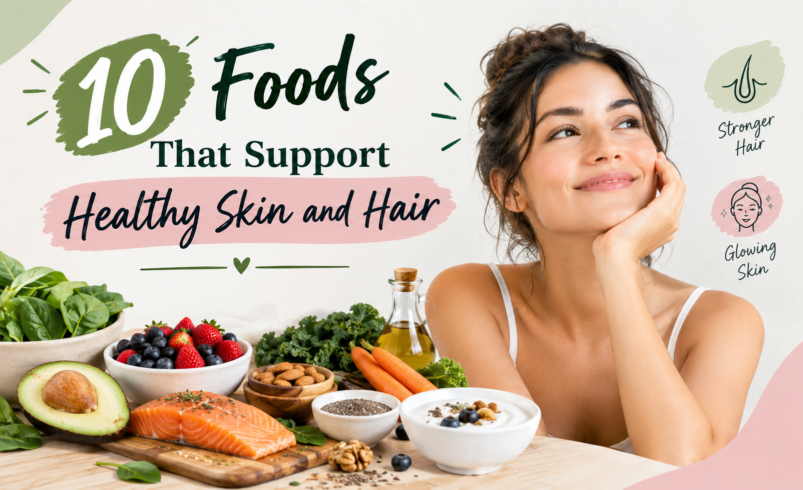
1. Fatty Fish (Salmon, Mackerel, Sardines)
Key nutrients. Omega-3 fatty acids, protein, vitamin D, selenium.
Why it matters for skin. Omega-3 fatty acids are a component of the skin’s outer barrier, the layer that helps retain moisture and keep irritants out. Diets adequate in omega-3s are associated with better-supported skin hydration and a reduction in some markers of inflammation, which may be relevant for people with inflammatory skin concerns.
Why it matters for hair. Hair follicles rely on a supply of protein and fatty acids to support normal structure, and some research has linked omega-3 and antioxidant supplementation to modest improvements in hair density in specific study populations — though this is an area where more research is still needed, and it shouldn’t be read as a treatment for hair loss.
How to include it. Two servings a week of a fatty fish like salmon, mackerel, or sardines is a commonly cited general target from major nutrition guidelines.
Simple ways to eat it. Baked salmon with roasted vegetables; sardines on whole-grain toast; mackerel flaked into a salad.
Who might especially benefit. People whose diets are otherwise low in healthy fats, and anyone specifically working on supporting the skin barrier (dry, sensitized, or barrier-compromised skin often benefits from adequate dietary fat alongside topical care).
2. Eggs
Key nutrients. High-quality protein, biotin, vitamin D, selenium, choline.
Why it matters for skin and hair. Both skin and hair are built substantially from protein — keratin, the primary structural protein in hair, and collagen, a major structural protein in skin, both require an adequate supply of amino acids to be produced normally. Eggs provide a complete amino acid profile, along with biotin, a B vitamin frequently discussed in relation to hair health.
A note on biotin. Biotin is genuinely involved in normal hair and skin function, but true biotin deficiency is uncommon in people eating a varied diet, and the popular idea that extra biotin supplementation dramatically improves hair growth in people who aren’t deficient isn’t well supported by current evidence. Getting biotin through whole foods like eggs, alongside other nutrients, is a more evidence-grounded approach than high-dose supplementation on its own.
How to include it. Most general dietary guidance considers eggs a reasonable part of a balanced diet for most people; specific recommendations can vary based on individual health factors, so it’s worth discussing with a healthcare provider if you have specific cholesterol or cardiovascular concerns.
Simple ways to eat it. Scrambled or boiled eggs at breakfast; a fried egg over vegetables; hard-boiled eggs as a quick protein-rich snack.
3. Avocados
Key nutrients. Healthy monounsaturated fats, vitamin E, vitamin C, potassium.
Why it matters for skin. Vitamin E is a fat-soluble antioxidant found in skin cell membranes, where it’s thought to help protect cells from oxidative stress — cellular damage caused by unstable molecules called free radicals, generated in part by UV exposure and pollution. Healthy dietary fats also support the skin barrier’s ability to retain moisture.
Why it matters for hair. The same healthy fats and vitamin E support scalp and follicle health as part of overall nutrient intake, though avocado alone isn’t a targeted hair treatment.
How to include it. A half to whole avocado a few times a week fits comfortably into most dietary patterns, though it’s calorie-dense, so portion is worth being mindful of if you’re tracking overall intake.
Simple ways to eat it. Mashed on whole-grain toast, sliced into salads, or blended into a smoothie for added creaminess.
4. Walnuts and Other Nuts
Key nutrients. Omega-3 fatty acids (specifically alpha-linolenic acid, or ALA), zinc, selenium, vitamin E, protein.
Why it matters for skin and hair. Walnuts are one of the few plant-based sources of omega-3 fatty acids, useful for people who don’t eat fish regularly. Zinc, also present in nuts, is involved in tissue growth and repair, and there’s a recognized (though less common) link between severe zinc deficiency and hair loss — another reason a varied, nutrient-adequate diet matters more than any single “hair food.”
How to include it. A small handful (roughly a quarter cup) a few times a week is a commonly cited reasonable portion, since nuts are calorie-dense.
Simple ways to eat it. Walnuts added to oatmeal or yogurt; a mixed handful of nuts as a snack; almonds or pistachios added to salads for texture.
Who might especially benefit. People on plant-based diets looking for omega-3 sources beyond fish, and anyone wanting a portable, minimally processed snack option.
5. Sweet Potatoes and Other Orange/Yellow Vegetables
Key nutrients. Beta-carotene (which the body converts to vitamin A), vitamin C, fiber.
Why it matters for skin. Vitamin A is involved in normal skin cell production and turnover, the process by which skin renews itself. Beta-carotene, found in sweet potatoes, carrots, and similar vegetables, is a precursor the body converts to vitamin A as needed, which is generally considered a safer way to get vitamin A through diet than very high-dose supplements, since the body regulates the conversion.
A caution on vitamin A. While beta-carotene from food is well tolerated, very high-dose vitamin A supplementation is not automatically safer or more effective, and can cause its own problems at excessive levels — this is a nutrient where more isn’t simply better, and food sources are generally the more appropriate route for most people.
How to include it. Regular inclusion of orange and yellow vegetables as part of a varied vegetable intake is generally recommended dietary guidance rather than a specific gram target.
Simple ways to eat it. Roasted sweet potato as a side dish; carrots as a raw snack with hummus; butternut squash soup.
6. Spinach and Other Leafy Greens
Key nutrients. Iron, vitamin C, vitamin A, folate, antioxidants.
Why it matters for hair. Iron is involved in carrying oxygen to cells throughout the body, including hair follicles, and iron deficiency is one of the more well-documented nutritional factors associated with hair thinning or shedding in some people, particularly those with diagnosed iron-deficiency anemia. This doesn’t mean everyone experiencing hair thinning has an iron deficiency — it’s worth discussing with a doctor and confirming with bloodwork rather than assuming and self-treating with high-dose supplements.
Why it matters for skin. The vitamin C and antioxidants in leafy greens support collagen production and help the body manage oxidative stress, which is relevant to skin’s structural resilience over time.
How to include it. Regular inclusion of leafy greens (spinach, kale, Swiss chard) several times a week is commonly recommended as part of a varied vegetable intake.
Simple ways to eat it. Spinach blended into a smoothie (it’s mild enough to be barely noticeable); sautéed greens as a side dish; kale added to soups.
A practical note on iron absorption. Pairing plant-based iron sources like spinach with a source of vitamin C (like citrus, covered next) can support how well that iron is absorbed by the body.
7. Citrus Fruits and Bell Peppers
Key nutrients. Vitamin C.
Why it matters for skin. Vitamin C is a cofactor required for collagen synthesis — meaning the body needs an adequate supply of it to produce collagen properly, the structural protein responsible for skin’s firmness and elasticity. It’s also an antioxidant, helping the body manage oxidative stress from environmental exposure.
Why it matters for hair. Vitamin C also supports iron absorption from plant sources, which connects back to the iron-and-hair-health link discussed above.
How to include it. Most general dietary guidelines suggest regular intake of vitamin C-rich fruits and vegetables as part of a balanced diet; specific numeric targets vary by source and individual factors.
Simple ways to eat it. An orange or a handful of strawberries as a snack; bell pepper strips with a dip; a squeeze of lemon over leafy greens to pair vitamin C with iron in the same meal.
8. Greek Yogurt (or a Plant-Based Alternative)
Key nutrients. Protein, calcium, B vitamins, and in many varieties, probiotics.
Why it matters for skin and hair. The protein content directly supports keratin and collagen production, similar to eggs and fatty fish. Some early research has explored connections between gut health (supported in part by probiotic-containing foods) and skin conditions like acne and eczema, though this is a genuinely emerging area of research rather than a settled one, and shouldn’t be treated as a guaranteed skin treatment.
How to include it. Plain Greek yogurt a few times a week is a reasonable way to add protein without a lot of added sugar, which is more common in flavored varieties.
Simple ways to eat it. Plain Greek yogurt with berries and a few walnuts (conveniently combining several foods from this list); as a substitute for sour cream; blended into smoothies.
For those avoiding dairy. A fortified plant-based yogurt alternative, or other protein sources like legumes and tofu, can fill a similar role in the diet.
9. Berries
Key nutrients. Vitamin C, antioxidants (including anthocyanins, the pigments responsible for their color), fiber.
Why it matters for skin. Berries are particularly rich in polyphenols and other antioxidant compounds that help the body manage oxidative stress. Some research has associated diets higher in antioxidant-rich fruits with better markers of skin appearance, though it’s worth noting this research often looks at overall dietary patterns rather than isolating berries specifically as a standalone intervention.
How to include it. Regular inclusion of a variety of colorful fruits, berries among them, is standard dietary guidance rather than a specific quantity target.
Simple ways to eat it. A handful added to yogurt or oatmeal; frozen berries blended into a smoothie; fresh berries as a simple snack.
10. Oysters and Other Zinc-Rich Foods
Key nutrients. Zinc, protein, selenium, vitamin B12.
Why it matters for skin and hair. Zinc plays a role in tissue growth and repair and is involved in normal hair follicle function. Zinc deficiency, while not extremely common in people eating a varied diet, has been documented in some research to be associated with hair loss and skin changes, and correcting an actual deficiency (confirmed through bloodwork, not assumed) can be associated with improvement in those specific cases.
A caution on zinc supplementation. Because excess zinc supplementation can interfere with the body’s absorption of other minerals, particularly copper, this is a nutrient better addressed through diet for most people, or through supplementation guided by a healthcare provider if a genuine deficiency is identified — not as an automatic addition to your routine.
Other zinc-rich food options. For those who don’t eat shellfish, pumpkin seeds, chickpeas, and lentils are reasonable plant-based sources, alongside meat and dairy for those who eat them.
How to include it. A varied diet including some of the sources above, rather than a specific target, is the general approach for most people without a diagnosed deficiency.
Nutrients at a Glance: What Each One Does
|
Nutrient |
Found In (From This List) |
Primary Role for Skin/Hair |
|
Protein |
Eggs, fatty fish, Greek yogurt |
Building block for collagen (skin) and keratin (hair) |
|
Omega-3 fatty acids |
Fatty fish, walnuts |
Supports skin barrier function and moisture retention |
|
Vitamin C |
Citrus, bell peppers, berries, leafy greens |
Required for collagen synthesis; supports iron absorption |
|
Vitamin E |
Avocado, nuts |
Antioxidant that helps protect skin cells from oxidative stress |
|
Vitamin A (as beta-carotene) |
Sweet potatoes, carrots |
Supports normal skin cell turnover |
|
Iron |
Spinach, leafy greens |
Involved in oxygen delivery to hair follicles; deficiency linked to hair thinning |
|
Zinc |
Oysters, pumpkin seeds, nuts |
Involved in tissue repair and normal hair follicle function |
|
Biotin |
Eggs |
Involved in normal hair and skin function; deficiency is uncommon with varied diet |
Animal-Based vs. Plant-Based Sources
|
Nutrient |
Animal-Based Source |
Plant-Based Source |
|
Omega-3s |
Fatty fish |
Walnuts, flaxseed, chia seeds (ALA form, converted less efficiently by the body) |
|
Protein |
Eggs, Greek yogurt, fish |
Legumes, tofu, quinoa, plant-based yogurt |
|
Iron |
Red meat |
Spinach and other leafy greens (best absorbed when paired with vitamin C) |
|
Zinc |
Oysters, meat, dairy |
Pumpkin seeds, chickpeas, lentils, nuts |
|
Vitamin B12 |
Eggs, dairy, fish |
Fortified plant-based products (B12 is difficult to obtain from unfortified plant foods alone) |
Neither column is inherently superior — a well-planned diet from either can meet these needs, though those following a fully plant-based diet may want to pay particular attention to B12, iron, and omega-3 intake, and discuss supplementation with a healthcare provider if needed.
A Simple Day of Eating for Skin and Hair
Breakfast: Greek yogurt with berries and a small handful of walnuts
Lunch: A salad with spinach, bell peppers, and a squeeze of lemon (pairing vitamin C with iron), topped with chickpeas or grilled chicken
Snack: An orange or a handful of pumpkin seeds
Dinner: Baked salmon with roasted sweet potato and sautéed greens
This isn’t a required meal plan — it’s an example of how several of these foods can fit naturally into ordinary meals without requiring a specialized diet or additional shopping list.
What Diet Can’t Do
It’s worth being direct about this, because it’s easy for nutrition content to overstate its case: diet is one factor among many that affect skin and hair, not the deciding one. Others include:
- Genetics — a significant factor in hair thickness, pattern hair loss, and skin type
- Hormones — thyroid function, and hormonal changes (including pregnancy, menopause, and other life stages) can all affect skin and hair independent of diet
- Age — skin and hair both change with age regardless of nutrition
- Sleep — poor sleep is associated with visible signs of skin aging and slower skin recovery
- Stress — chronic stress is linked to hair shedding patterns and some skin conditions
- Sun exposure — one of the largest drivers of visible skin aging, unrelated to diet
- Hair and skin care practices — how hair is styled and treated, and what skincare products are used, both matter independently
- Medical conditions and medications — several conditions and medications directly affect skin and hair and require medical management, not dietary adjustment alone
- Existing nutrient deficiencies — best identified through bloodwork with a healthcare provider, not self-diagnosed based on symptoms alone
If you’re experiencing significant hair loss, persistent skin changes, or symptoms that concern you, a doctor or dermatologist can help identify an underlying cause — dietary changes alone are not a substitute for that evaluation, particularly if a medical condition or deficiency is involved.
Frequently Asked Questions
What foods are best for healthy skin and hair? Fatty fish, eggs, avocados, nuts, leafy greens, citrus fruits, berries, sweet potatoes, Greek yogurt, and zinc-rich foods like oysters or pumpkin seeds collectively provide the protein, healthy fats, vitamins, and minerals most directly involved in skin and hair structure.
Can diet alone fix hair loss? No. Diet can support the nutrients involved in normal hair growth, and correcting a genuine nutrient deficiency (like iron or zinc, confirmed through bloodwork) may help in those specific cases. But hair loss has many possible causes — genetics, hormones, medical conditions, stress — and diet alone doesn’t address most of them.
What vitamins are most important for skin health? Vitamin C (for collagen production), vitamin E (an antioxidant that helps protect skin cells), and vitamin A (for normal skin cell turnover) are among the most frequently cited, alongside adequate protein and healthy fats for the skin barrier.
What foods support hair growth? Foods providing protein (eggs, fish, Greek yogurt), iron (leafy greens), zinc (oysters, pumpkin seeds), biotin (eggs), and omega-3 fatty acids (fatty fish, walnuts) support the nutrients involved in normal hair follicle function, though they don’t guarantee growth and aren’t a substitute for addressing an underlying cause of hair loss.
Does drinking more water improve skin? Adequate hydration supports normal skin function, and dehydration can make skin appear duller or feel tighter. However, drinking water beyond your body’s actual needs doesn’t add extra skin benefit beyond correcting an existing deficit.
Can vegetarians and vegans get enough nutrients for healthy skin and hair? Yes, with some planning. Plant-based sources of protein, iron, zinc, and omega-3s exist (legumes, leafy greens, pumpkin seeds, walnuts and flaxseed), though vitamin B12 typically requires fortified foods or supplementation, since it’s not reliably available from unfortified plant sources.
Should I take biotin or other supplements for hair and skin? For most people eating a varied diet, true deficiency in nutrients like biotin is uncommon, and high-dose supplementation without a confirmed deficiency isn’t well supported by current evidence. If you suspect a deficiency, bloodwork and guidance from a healthcare provider are more reliable than self-directed high-dose supplementation.
How long does it take for diet changes to show results in skin or hair? Skin cell turnover and hair growth cycles are both gradual biological processes, and meaningful dietary changes typically take several weeks to a few months to potentially show any visible effect, if diet was in fact a contributing factor to begin with.
Can iron deficiency cause hair loss? Iron deficiency, particularly iron-deficiency anemia, is a documented factor associated with hair thinning or shedding in some people. If you’re experiencing unexplained hair loss, discussing bloodwork with a doctor is a reasonable step rather than assuming iron deficiency and self-supplementing.
Is it better to get nutrients from food or supplements? For most people without a diagnosed deficiency, whole foods are generally the preferred source, since they provide nutrients alongside fiber and other beneficial compounds, and carry a lower risk of excessive intake compared to concentrated supplements. Supplements are more appropriately used to address a specific, confirmed deficiency under professional guidance.
Sources & Further Reading
- Academy of Nutrition and Dietetics — Nutrition and skin/hair health resources
- American Academy of Dermatology (AAD) — Diet and skin health guidance
- National Institutes of Health (NIH), Office of Dietary Supplements — Fact sheets on vitamin A, vitamin C, zinc, iron, and omega-3 fatty acids
- Harvard T.H. Chan School of Public Health, The Nutrition Source — General nutrition and dietary pattern guidance