








Introduction
Your brain runs 24 hours a day — processing information, regulating mood, storing memories, and making decisions — all while consuming roughly 20% of your body’s energy. Yet most people give more thought to what fuels their car than what fuels their most complex organ.
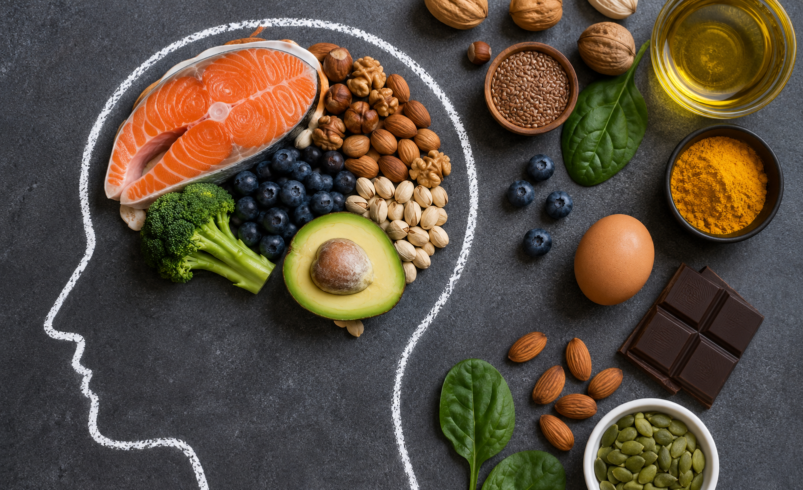
The best foods for brain health and memory aren’t exotic or expensive. Many are sitting in your kitchen right now. And the evidence connecting nutrition to cognitive performance — memory, focus, mental clarity, and long-term brain protection — has never been stronger.
Whether you’re a student preparing for exams, a professional trying to maintain peak performance, or simply someone who wants to protect their brain as they age, this guide covers the 15 most evidence-backed brain foods, the nutrients behind them, and exactly how to make them work in your daily life.
People find waiting more tolerable when they can see the work being done on their behalf
“Labor Illusion” insight
Table of Contents
- How Nutrition Affects Brain Health
- Quick-Reference: 15 Brain Foods at a Glance
- The 15 Best Foods for Brain Health and Memory
- Best Brain Foods for Students and Professionals
- Foods That Harm Brain Health
- Affordable vs Premium Brain Foods
- Natural Foods vs Brain Supplements
- Diet, Lifestyle, and Brain Health
- FAQ
- Conclusion
1. How Nutrition Affects Brain Health
The brain is structurally and functionally dependent on the nutrients it receives through the bloodstream. Unlike muscle tissue that can run on stored glycogen, the brain requires a constant, high-quality supply of glucose, essential fats, amino acids, vitamins, and minerals — and is highly sensitive to deficiencies and inflammatory triggers.
Neurotransmitters and Dietary Precursors
Neurotransmitters — the chemical messengers governing mood, focus, memory, and motivation — are synthesised directly from nutrients. Serotonin requires tryptophan (found in eggs, dairy, seeds). Dopamine requires tyrosine (found in protein foods). Acetylcholine, critical for memory and learning, requires choline (found primarily in eggs).
When these dietary precursors are absent, neurotransmitter production drops — producing the brain fog, low mood, and poor concentration that follow nutritionally poor diets.
Omega-3 Fatty Acids and Brain Structure
DHA (docosahexaenoic acid), one of the two primary omega-3 fatty acids found in fatty fish, makes up approximately 60% of the brain’s structural fat. It is essential for the formation and maintenance of myelin sheaths (the insulation around nerve fibres), synaptic transmission, and neuronal membrane fluidity.
Low DHA levels are consistently associated with cognitive decline, depression, and reduced memory performance. Regular omega-3 foods for brain health — particularly fatty fish — are one of the most well-supported dietary interventions for cognitive function.
Antioxidants and Neuroprotection
The brain consumes oxygen at a disproportionately high rate, making it particularly vulnerable to oxidative stress — cellular damage caused by free radicals. Antioxidants from colourful fruits and vegetables (particularly flavonoids, vitamin C, vitamin E, and polyphenols) neutralise these free radicals and protect neurons from premature damage.
Long-term studies consistently show that high-antioxidant diets are associated with slower cognitive decline and lower dementia risk.
Inflammation and Cognitive Function
Chronic low-grade neuroinflammation is increasingly recognised as a key driver of cognitive decline, depression, and neurodegenerative diseases including Alzheimer’s. Anti-inflammatory foods — olive oil, fatty fish, leafy greens, turmeric — protect against this pathway. Pro-inflammatory foods — processed food, added sugar, trans fats — accelerate it.
What you eat doesn’t just fuel your brain. It literally builds it, repairs it, and determines how quickly it ages.
2. Quick-Reference: 15 Brain Foods at a Glance
|
Food |
Primary Brain Benefit |
Key Nutrient |
Best For |
Daily or Occasional |
|
Fatty Fish (Salmon) |
Memory + mood support |
Omega-3 (DHA/EPA) |
All adults, students |
2–3x per week |
|
Blueberries |
Antioxidant protection |
Anthocyanins |
Memory, aging |
Daily |
|
Walnuts |
Structural brain support |
ALA omega-3 |
Focus, cognitive decline prevention |
Daily (small handful) |
|
Eggs |
Neurotransmitter production |
Choline |
Students, professionals |
Daily |
|
Dark Chocolate |
Blood flow + mood |
Flavonoids |
Focus, stress relief |
Occasional (70%+) |
|
Leafy Greens |
Cognitive aging protection |
Vitamin K, folate |
Long-term brain health |
Daily |
|
Avocado |
Improved blood flow to brain |
Monounsaturated fat |
Focus, concentration |
Daily |
|
Pumpkin Seeds |
Nerve signal + memory |
Zinc, magnesium |
Stress, memory |
Daily |
|
Turmeric |
Anti-inflammatory |
Curcumin |
Aging, mood support |
Daily (with fat+pepper) |
|
Broccoli |
Neural protection |
Vitamin K, C |
General brain health |
3–4x per week |
|
Green Tea |
Calm focus + alertness |
L-theanine + EGCG |
Students, professionals |
Daily |
|
Oranges |
Oxidative stress protection |
Vitamin C |
Mental clarity, aging |
Daily |
|
Almonds |
Cognitive support |
Vitamin E, B2 |
Memory, age-related decline |
Daily (small handful) |
|
Yoghurt |
Gut-brain axis support |
Probiotics |
Mood, mental wellness |
Daily |
|
Olive Oil |
Anti-neuroinflammation |
Oleocanthal |
Long-term brain health |
Daily (cooking base) |
3. The 15 Best Foods for Brain Health and Memory
🐟 Fatty Fish (Salmon, Mackerel, Sardines)
Fatty fish is the most direct dietary source of DHA and EPA — the omega-3 forms the brain actually uses. Plant-based ALA from flaxseeds and walnuts converts to DHA inefficiently (under 10%), making fatty fish the gold standard for omega-3 foods for brain health.
- DHA supports memory, mood regulation, and cognitive speed
- EPA reduces neuroinflammation, linked to lower depression rates
- Vitamin D in fatty fish supports neuroprotective gene expression
Two servings of 140g per week of oily fish meets most adults’ DHA requirements. Tinned sardines and mackerel are the most affordable options — nutritionally equivalent to fresh.
🫐 Blueberries
Blueberries are one of the most researched foods that improve memory and concentration naturally. Their deep blue colour comes from anthocyanins — flavonoid antioxidants that cross the blood-brain barrier and accumulate in regions of the brain involved in learning and memory.
- Clinical trials show improved memory performance in older adults after 12 weeks of daily blueberry consumption
- Anthocyanins improve neuronal communication and reduce oxidative stress in the hippocampus
- Also shown to improve psychomotor performance — reaction speed and task accuracy
Fresh or frozen blueberries are nutritionally equivalent. 80–100g daily (roughly a small handful) is the dose used in most positive trials.
🥜 Walnuts
Walnuts are the only common nut with a significant amount of ALA omega-3 — and their physical resemblance to a brain is, coincidentally, apt. Regular walnut consumption is associated with better cognitive function and lower risk of cognitive decline across multiple large population studies.
- ALA provides structural fatty acid support, particularly important when fish intake is low
- Polyphenols in walnuts reduce neuroinflammation
- Vitamin E content provides antioxidant protection for neurons
30g per day (a small handful) is sufficient. Walnuts are one of the most affordable natural foods that improve brain power — roughly ₹30–50 per serving.
🥚 Eggs
Eggs are the most concentrated dietary source of choline — a nutrient essential for the production of acetylcholine, the neurotransmitter primarily responsible for memory encoding, muscle control, and attention.
- Two eggs provide approximately 250–300mg choline — roughly half the recommended daily intake
- Choline deficiency is common and directly associated with memory impairment
- Eggs also contain lutein and zeaxanthin — carotenoids associated with preserved cognitive function
- B12 in eggs supports myelin production and nerve function
Eggs are arguably the single most brain-dense affordable food available. Whole eggs — not just whites — are essential, as almost all the choline is in the yolk.
🍫 Dark Chocolate
Dark chocolate (70% cocoa or above) contains flavanols that increase cerebral blood flow — directly improving the delivery of oxygen and glucose to neurons during cognitive tasks.
- Shown to improve attention, processing speed, and working memory in short-term studies
- Contains small amounts of caffeine and theobromine for mild alertness
- Magnesium in cocoa supports nerve transmission and stress regulation
20–40g of 70%+ dark chocolate a few times a week delivers the flavanol benefit. The higher the cocoa percentage, the lower the sugar and the greater the brain-active compounds.
🥬 Leafy Greens (Spinach, Kale, Rocket)
Dark leafy greens are nutritional powerhouses for long-term brain protection. A study tracking over 900 adults found that those who consumed one serving of leafy greens daily had the cognitive age of someone 11 years younger — even after adjusting for all other lifestyle factors.
- Vitamin K: activates proteins involved in brain cell survival and synaptic function
- Folate: essential for neurotransmitter synthesis; deficiency linked to depression and cognitive decline
- Lutein: accumulates in brain tissue and is associated with preserved cognitive function
These are among the best breakfast foods for memory and focus when added to omelettes or smoothies — zero effort, significant long-term impact.
🥑 Avocado
Avocado’s primary brain benefit comes from its monounsaturated fat content, which improves blood flow to the brain by maintaining arterial flexibility and reducing blood pressure — a key risk factor for cognitive decline.
- Lutein in avocado is associated with better cognitive performance in clinical studies
- Folate content supports neurotransmitter production
- Vitamin K and potassium further support cerebrovascular health
Half an avocado with meals regularly is sufficient. Pairs excellently with eggs — the fat improves absorption of fat-soluble brain nutrients.
🎃 Pumpkin Seeds
Pumpkin seeds are small but nutritionally exceptional for brain function. They are among the richest food sources of zinc and magnesium — two minerals that play direct roles in nerve signalling, memory formation, and stress regulation.
- Zinc: essential for nerve signalling and memory; deficiency impairs cognitive performance
- Magnesium: regulates NMDA receptors critical for learning and memory; low levels linked to depression
- Iron: supports oxygen delivery to brain tissue
- Copper: involved in neurotransmitter synthesis
A 30g serving of pumpkin seeds as a daily snack covers a meaningful portion of magnesium and zinc requirements at minimal cost.
🌿 Turmeric
Curcumin — the active compound in turmeric — is one of the most studied natural anti-inflammatory compounds in existence. Its relevance to brain health is significant: curcumin crosses the blood-brain barrier, directly reducing neuroinflammation and potentially clearing the amyloid plaques associated with Alzheimer’s disease.
- Shown to boost BDNF (brain-derived neurotrophic factor) — a growth hormone that supports neuron survival and new neuron formation
- Associated with improved mood in several clinical trials
- Antioxidant properties protect neurons from oxidative damage
Critical preparation note: curcumin is poorly absorbed on its own. Combining turmeric with black pepper (piperine increases absorption by up to 2000%) and a fat source dramatically improves bioavailability.
🥦 Broccoli
Broccoli is one of the richest plant sources of vitamin K — a fat-soluble vitamin with emerging evidence for neuroprotective effects — along with powerful antioxidant compounds including sulforaphane, which research suggests may protect brain cells from DNA damage.
- Vitamin C content: a single serving meets 100% of daily requirements — important for antioxidant defence
- Sulforaphane activates cellular antioxidant pathways in brain tissue
- Folate supports new cell production and neurotransmitter function
Lightly steamed broccoli retains significantly more nutrients than boiled. Adding olive oil improves absorption of fat-soluble compounds.
🍵 Green Tea
Green tea is unique among beverages for its combination of caffeine and L-theanine — an amino acid that produces calm, focused alertness without the jitteriness of caffeine alone. This combination is one of the most practically useful for students and professionals requiring sustained concentration.
- L-theanine increases alpha brain wave activity — associated with a relaxed but alert mental state
- EGCG (epigallocatechin gallate): potent antioxidant, crosses blood-brain barrier, shown to improve memory in animal studies
- Regular green tea consumption associated with lower risk of cognitive decline in population studies
2–3 cups daily maximises the brain benefit. Matcha contains significantly more EGCG than regular green tea — highest quality option.
🍊 Oranges
One medium orange provides approximately 90mg of vitamin C — close to the full daily requirement. Vitamin C is a critical antioxidant in the brain, protecting neurons from oxidative stress and supporting the synthesis of several neurotransmitters.
- Deficiency linked to cognitive decline and depression
- Vitamin C regenerates other antioxidants (including vitamin E) in the brain
- Hesperidin in oranges improves blood flow to the brain
Whole oranges rather than juice retain the fibre that slows sugar absorption. Other excellent vitamin C sources: kiwi, bell peppers, strawberries.
🌰 Almonds
Almonds are the richest nut source of vitamin E — a fat-soluble antioxidant that protects cell membranes, including those of neurons, from oxidative damage. Several large studies link higher vitamin E intake with slower cognitive decline in older adults.
- Riboflavin (B2) and L-carnitine in almonds support brain energy metabolism
- Magnesium supports nerve function and memory consolidation
- Zinc content supports neurotransmitter regulation
A 30g handful daily is sufficient. Almonds are one of the most practical brain-boosting snacks — portable, no preparation, high satiety.
🥛 Yoghurt
The gut-brain axis — the bidirectional communication pathway between the gut microbiome and the brain — is increasingly recognised as a critical factor in mood, cognitive function, and neurological health. Yoghurt is the most accessible dietary source of live beneficial bacteria that support this axis.
- Probiotics in yoghurt shown to reduce cortisol, improve mood, and reduce anxiety in controlled trials
- Gut microbiome influences production of 90% of the body’s serotonin
- Tryptophan in yoghurt is a serotonin precursor
Plain, full-fat Greek yoghurt provides the highest protein and probiotic content. Flavoured yoghurts with added sugar largely undermine the benefit.
🫒 Olive Oil
Extra virgin olive oil (EVOO) is the cornerstone of the Mediterranean diet — the dietary pattern most consistently associated with lower risk of dementia and cognitive decline. Its primary brain benefit is anti-inflammatory: oleocanthal, a polyphenol in EVOO, inhibits the same inflammatory enzymes targeted by ibuprofen.
- Polyphenols in EVOO protect neurons from oxidative stress
- Improves absorption of fat-soluble brain nutrients (vitamins K, E, A, D)
- Associated with improved memory and executive function in population studies
Use EVOO as the primary cooking oil and for dressings. Cold-pressed, dark-bottled EVOO retains the most polyphenols.
4. Best Brain Foods for Students and Professionals
Brain-boosting foods for students and adults in demanding cognitive roles need to deliver on three specific fronts: sustained energy, focused attention, and stress resilience. Here are the most practical combinations:
Before an Exam or High-Focus Session
- Eggs + leafy greens omelette: choline for memory, folate for neurotransmitter function
- Oatmeal with walnuts and blueberries: slow energy release + omega-3 + antioxidants
- Green tea (not energy drinks): L-theanine + caffeine = focused calm
Avoid: heavy meals, high-sugar breakfasts, energy drinks with excessive caffeine — all spike and crash blood sugar, impairing concentration within 90 minutes.
Daily Desk Snacks for Mental Clarity
- Almonds or walnuts (30g) — vitamin E + omega-3 without sugar spike
- Dark chocolate (20g, 70%+) — flavanols + mild stimulation
- Apple + almond butter — vitamin C + healthy fat + fibre
- Greek yoghurt — probiotics + tryptophan for calm focus
Hydration Note
Even mild dehydration (1–2% of body weight) measurably impairs attention, short-term memory, and reaction time. The brain is approximately 75% water. Targeting 2–2.5L of fluids daily — with water and herbal teas as primary sources — is a non-negotiable cognitive performance baseline.
5. Foods That May Harm Brain Health
|
Food/Drink |
Brain Harm Mechanism |
Effect on Memory |
How Much is Too Much |
|
Added sugar |
Spikes insulin, promotes inflammation |
Short & long-term impairment |
25g+ daily (WHO limit) |
|
Trans fats |
Oxidative stress, arterial damage |
Accelerates cognitive decline |
Any regular amount |
|
Ultra-processed food |
High additives, low nutrients |
Linked to dementia risk in studies |
More than 20% of diet |
|
Excessive alcohol |
Neurotoxic, kills neurons |
Short & long-term memory loss |
More than 1–2 units/day |
|
Sugary drinks |
Inflammation + insulin resistance |
Impairs learning and memory |
Any regular consumption |
No single meal causes brain damage — the issue is pattern. A diet where ultra-processed foods make up the majority of intake, consumed daily over years, is where the cognitive cost accumulates.
6. Affordable vs Premium Brain Foods
You do not need expensive superfoods or supplement stacks to support brain health. Here’s the honest comparison:
|
Budget Brain Foods |
Cost (approx) |
Premium Brain Foods |
Cost (approx) |
Verdict |
|
Eggs |
₹6–8 each |
Wild-caught salmon |
₹400–600/kg |
Eggs win on daily value |
|
Walnuts |
₹30–50 per 30g |
MCT oil |
₹800–1,200/500ml |
Walnuts superior — whole food |
|
Blueberries |
₹200–400/punnet |
Freeze-dried blueberry powder |
₹600+ |
Fresh slightly better, both good |
|
Leafy greens |
₹20–40/bunch |
Spirulina powder |
₹500–1,000 |
Greens win — whole food matrix |
|
Turmeric |
₹10–20/100g |
Curcumin supplement |
₹400–1,200 |
Whole turmeric + pepper = effective |
|
Greek yoghurt |
₹60–80/200g |
Probiotic capsules |
₹800–2,000/mo |
Yoghurt — food + fibre bonus |
The consistent finding: whole food sources outperform or match isolated supplements for brain health, at a fraction of the cost, with additional benefits from fibre, cofactors, and synergistic nutrients.
7. Natural Foods vs Brain Supplements
The supplement industry markets aggressively to the brain health space. Here’s a grounded assessment of when each approach makes sense:
|
Nutrient |
Best Natural Source |
Supplement Form |
Bioavailability |
Use Supplement When |
|
Omega-3 (DHA/EPA) |
Fatty fish |
Fish oil / Algae oil |
High (both) |
Vegan / low fish intake |
|
Choline |
Eggs |
CDP-choline |
High (both) |
Brain injury recovery (medical) |
|
Curcumin |
Turmeric + pepper |
Curcumin extract |
Low (food), higher (supplement) |
Confirmed inflammation |
|
Vitamin E |
Almonds, sunflower seeds |
Tocopherol capsule |
Similar |
Confirmed deficiency only |
|
Magnesium |
Pumpkin seeds, nuts |
Magnesium glycinate |
Food is good |
Poor diet, high stress, insomnia |
|
Folate |
Leafy greens |
Folic acid |
Similar |
Pregnancy, confirmed deficiency |
The evidence base for whole-food nutrition is consistently stronger than for isolated supplements — with the exception of omega-3 for vegans, and folic acid in pregnancy. If your diet is reasonably varied, most brain supplement claims are premature and unnecessary.
8. Diet, Lifestyle, and Brain Health
No list of foods operates in isolation. The following lifestyle factors either amplify or undermine dietary brain benefits:
Sleep
Sleep is when the brain clears metabolic waste products through the glymphatic system — a cleaning mechanism that appears to be critical for preventing the amyloid buildup associated with Alzheimer’s. Consistently sleeping fewer than 7 hours impairs memory consolidation and increases neuroinflammation, regardless of diet quality.
Exercise
Physical activity is the most potent known stimulus for BDNF production — the brain growth hormone that supports new neuron formation and synaptic strength. Even 20–30 minutes of brisk walking daily produces measurable cognitive benefits over weeks.
Stress Management
Chronic cortisol elevation damages the hippocampus — the brain’s primary memory centre. Foods that support stress resilience (magnesium-rich pumpkin seeds, omega-3s, adaptogens like ashwagandha) work best when combined with genuine stress management practices.
The Mediterranean Diet Pattern
The Mediterranean diet — high in fish, olive oil, leafy greens, legumes, nuts, and berries, low in processed food and red meat — is the most consistently evidence-backed dietary pattern for reducing dementia risk and preserving cognitive function with age. It works through the combined effect of all the nutrients described in this article, not any single food.
Reducing Inflammation — The Practical Summary
- Increase: fatty fish, olive oil, leafy greens, berries, turmeric, walnuts
- Decrease: processed food, added sugar, refined carbohydrates, trans fats, excessive alcohol
- This dietary shift consistently reduces neuroinflammation markers within 4–8 weeks
9. FAQ — People Also Ask
What food is best for brain memory?
Fatty fish (particularly salmon) is the single most evidence-supported food for memory, due to its DHA content — the primary structural fat in brain tissue. Eggs follow closely due to their choline content (critical for the memory neurotransmitter acetylcholine). For plant-based eaters, walnuts and algae-based omega-3 supplements are the strongest alternatives.
Which fruit improves memory the most?
Blueberries have the strongest clinical evidence for memory improvement — multiple controlled trials show measurable gains in memory performance after 12 weeks of daily consumption. Oranges, avocados, and kiwi also offer significant brain benefits through different mechanisms (vitamin C, healthy fats, folate).
What foods help with concentration and focus?
The most practically effective foods for sustained concentration are: eggs (choline), green tea (L-theanine + caffeine combination), dark chocolate (flavanols + mild stimulants), almonds (vitamin E + magnesium), and pumpkin seeds (zinc + magnesium). These provide focus through neurotransmitter support, blood flow, and stable energy — without the crash of high-sugar options.
What should I eat before studying?
The best pre-study meal combines protein (for neurotransmitter precursors), complex carbohydrates (for stable glucose), and healthy fats (for DHA supply and absorption). Practical examples: eggs on wholegrain toast with avocado; oatmeal with walnuts, blueberries, and Greek yoghurt; or a green smoothie with spinach, banana, walnuts, and Greek yoghurt. Eat 30–60 minutes before starting to allow digestion without drowsiness.
Are supplements better than natural brain foods?
No — for most people with a reasonably varied diet, whole foods outperform isolated supplements. The exception is omega-3 for vegans (algae oil) and folic acid during pregnancy. Food sources provide not just isolated nutrients but cofactors, fibre, and synergistic compounds that supplements cannot replicate. Supplement only for confirmed deficiencies or specific circumstances under medical guidance.
What foods help prevent memory loss with age?
The most evidence-supported foods for protecting against age-related cognitive decline are: leafy greens (one serving daily), fatty fish (2–3x weekly), olive oil as the primary fat, blueberries (daily or frequent), walnuts, and turmeric. Together, these constitute the core of the Mediterranean diet — the dietary pattern most consistently associated with lower dementia risk in long-term population studies.
Can diet improve brain function?
Yes — substantially. The brain’s structure, neurotransmitter production, inflammation levels, and oxidative stress response are all directly influenced by dietary intake. Multiple clinical trials and long-term epidemiological studies confirm that high-quality diets (particularly Mediterranean-style) are associated with better cognitive performance, slower cognitive aging, and reduced dementia risk. The effects are most pronounced over months and years, not days.
10. Conclusion
The connection between food and brain function is one of the most robustly evidenced areas in nutritional science. The best foods for brain health and memory aren’t complicated: fatty fish twice a week, a handful of walnuts or almonds daily, eggs at breakfast, leafy greens with meals, olive oil as your cooking base, and berries whenever you can.
None of this is expensive. None of it requires supplements. And the impact — on memory, focus, mood, and long-term cognitive health — compounds over time in exactly the same way that a poor diet erodes it.
Your brain is the most sophisticated organ in the known universe. Feed it accordingly.
Start with one change: add eggs to breakfast this week, switch from a sugary snack to a handful of walnuts, or make green tea your morning default. The most valuable cognitive upgrade you can make isn’t a new app or a supplement stack. It’s what’s already on your plate.
Internal Linking Suggestions:
Mediterranean diet guide → Section 8
Omega-3 foods for vegans → Fatty fish + supplement section
Healthy breakfast ideas → Section 4 + eggs, oatmeal foods
Vitamin deficiency symptoms → Choline, magnesium, zinc sections
Authoritative External Sources:
Harvard T.H. Chan School of Public Health — Brain Foods
Morris et al. (2015) — MIND Diet and Cognitive Decline, Alzheimer’s & Dementia
PubMed/NCBI — Blueberry anthocyanins and memory trials
Journal of Nutrition, Health & Aging — Walnuts and cognitive function