





There’s a specific kind of restlessness that shows up on a free evening or a quiet Saturday — not boredom exactly, more like knowing you have the time but not the plan. Scrolling through your phone fills the gap, but it rarely leaves you feeling like the time was well spent.
Picking one of the best hobbies to try in your free time can turn those unplanned hours into something you actually look forward to, whether that means unwinding after work, building a skill, or simply having something to talk about besides your job. The trick is picking something that fits your actual life — your budget, your schedule, and your personality — rather than whatever looks impressive on social media.
This guide walks through ten solid options, what they really cost and require, and how to figure out which one is worth your first attempt.
People find waiting more tolerable when they can see the work being done on their behalf
“Labor Illusion” insight
There’s a specific kind of restlessness that shows up on a free evening or a quiet Saturday — not boredom exactly, more like knowing you have the time but not the plan. Scrolling through your phone fills the gap, but it rarely leaves you feeling like the time was well spent.
Picking one of the best hobbies to try in your free time can turn those unplanned hours into something you actually look forward to, whether that means unwinding after work, building a skill, or simply having something to talk about besides your job. The trick is picking something that fits your actual life — your budget, your schedule, and your personality — rather than whatever looks impressive on social media.
This guide walks through ten solid options, what they really cost and require, and how to figure out which one is worth your first attempt.
Quick Comparison: 10 Hobbies at a Glance
|
Hobby |
Cost to Start |
Time Needed |
Skill Level |
Best For |
|
Reading |
Free (library) |
15–30 min or flexible |
Beginner |
Relaxation, learning |
|
Photography |
Free–Moderate |
Flexible |
Beginner |
Creativity, exploring outdoors |
|
Gardening |
Low–Moderate |
30 min–a few hours |
Beginner |
Relaxation, productivity |
|
Cooking or Baking |
Low (using what you have) |
30 min–a few hours |
Beginner |
Creativity, practical skill |
|
Drawing or Sketching |
Free–Low |
15–30 min or flexible |
Beginner |
Creativity, relaxation |
|
Writing or Journaling |
Free |
10–20 min or flexible |
Beginner |
Reflection, relaxation |
|
Learning an Instrument |
Moderate |
20–60 min, ongoing |
Beginner–Intermediate |
Learning, long-term skill |
|
Walking, Fitness, or Yoga |
Free–Low |
15–60 min |
Beginner |
Fitness, stress relief |
|
DIY Crafts or Home Projects |
Low–Moderate |
1 hour–a weekend |
Beginner–Intermediate |
Productivity, creativity |
|
Learning a New Skill/Language |
Free–Low |
Flexible, ongoing |
Beginner |
Learning, long-term goals |
The 10 Best Hobbies to Try
Reading
Reading remains one of the most accessible hobbies available, requiring nothing more than a library card or a device you likely already own, and it fits into almost any schedule.
Why Try It?
It’s a low-effort way to relax, learn something new, or simply disconnect from screens and notifications for a while, and it works whether you have five minutes or an entire afternoon.
Cost to Get Started
Free through most public libraries, both for physical books and digital lending apps. E-readers add a moderate upfront cost but aren’t required to start.
Time Commitment
Works for 15–30 minute sessions before bed, during a commute, or in longer, uninterrupted blocks on a weekend.
Skill Level
No prior skill needed — anyone can start immediately, and there’s no wrong way to read for enjoyment.
What You Need
- A book, e-reader, or reading app
- A library card (optional but useful for free access)
- A comfortable, quiet spot
How to Start as a Beginner
- Pick a genre you’ve genuinely enjoyed before rather than a book you feel you ‘should’ read.
- Start with something under 300 pages to build momentum.
- Set a small, specific goal, like one chapter a day rather than a page count.
- Keep a book somewhere visible so it’s an easy default when you have downtime.
- Try an audiobook if sitting still to read feels hard to fit in.
Who Might Enjoy It Most
People who enjoy quiet, low-stimulation downtime, or anyone looking for a break from screens without giving up storytelling or learning.
Potential Downsides
It can be hard to stay consistent without a routine, and some genres or classic literature can feel slow for beginners looking for quick payoff.
Beginner Tip: Keep two books going at once — one light, one more challenging — so your mood doesn’t determine whether you read at all that day.
Photography
Photography turns ordinary walks and everyday moments into a reason to pay closer attention to your surroundings, and modern smartphones make it genuinely accessible.
Why Try It?
It combines creativity with light physical activity if you’re shooting outdoors, and it gives you a tangible result — an actual photo — at the end of each session.
Cost to Get Started
Free to start using a smartphone camera. A dedicated camera adds a moderate cost later, but isn’t necessary for beginners.
Time Commitment
Flexible — a 15-minute walk around the block works, as does a longer dedicated outing.
Skill Level
Beginners can start immediately with a phone; more advanced techniques and manual camera settings take longer to learn.
What You Need
- A smartphone or basic camera
- Comfortable walking shoes if shooting outdoors
- Optional: free editing apps
How to Start as a Beginner
- Start with your phone before considering any equipment purchase.
- Pick one subject to focus on for a week, like shadows, textures, or a specific color.
- Learn basic composition ideas, like the rule of thirds, through free online tutorials.
- Review your photos afterward and note which ones you’re drawn to and why.
- Share a few favorites with friends or an online community for feedback if you want it.
Who Might Enjoy It Most
People who enjoy walking, noticing details, or wanting a creative outlet that doesn’t require sitting at a desk.
Potential Downsides
Good equipment can get expensive quickly if you catch the bug, and it’s easy to feel discouraged comparing your early photos to polished work online.
Beginner Tip: Turn off comparison mode early by muting or avoiding accounts that make you feel like your work isn’t good enough yet — progress in photography is genuinely gradual.
Gardening
Gardening offers a rare combination of physical activity, visible progress, and a genuinely productive result, whether you’re working with a backyard plot or a few pots on a balcony.
Why Try It?
It provides a slow, tangible sense of accomplishment, gets you outside, and can produce something useful, like herbs or vegetables, alongside the relaxation benefits.
Cost to Get Started
Low to start with a few pots, soil, and seeds; costs rise if you invest in raised beds, tools, or larger outdoor setups.
Time Commitment
Daily check-ins take just a few minutes, though planting and maintenance sessions can run 30 minutes to a few hours depending on scope.
Skill Level
Beginners can start with hardy, low-maintenance plants; more delicate plants and larger gardens require more experience.
What You Need
- Pots or garden space
- Soil and seeds or starter plants
- Basic tools like a trowel and watering can
How to Start as a Beginner
- Start small with one or two pots rather than an entire garden bed.
- Choose hardy, beginner-friendly plants like herbs, succulents, or tomatoes.
- Learn your specific light and watering conditions before choosing plants.
- Keep a simple log of what you planted and when, since it’s easy to forget.
- Expect some plants not to survive — it’s a normal part of learning, not a sign you’re bad at it.
Who Might Enjoy It Most
People who want a hobby with visible, physical progress and enjoy being outdoors, even briefly.
Potential Downsides
Results take time and patience, weather and pests can undo progress, and outdoor gardening requires actual outdoor space.
Beginner Tip: Start with plants that are genuinely hard to kill, like mint, pothos, or succulents, so early wins keep you motivated before you try anything delicate.
Cooking or Baking
Cooking and baking turn a daily necessity into a creative outlet, and most people already own the basic tools needed to start experimenting.
Why Try It?
It’s practical, produces something you can actually use or share, and offers endless room to explore different cuisines, techniques, and skill levels.
Cost to Get Started
Low if you’re using ingredients and tools you already have; specialty equipment or ingredients can add cost later.
Time Commitment
Works for quick 30-minute weeknight recipes or longer weekend projects like bread or multi-course meals.
Skill Level
Beginners can start immediately with simple recipes; more advanced techniques, like pastry work, take longer to develop.
What You Need
- Basic kitchen equipment
- Ingredients for your chosen recipe
- A reliable recipe source, whether a book or website
How to Start as a Beginner
- Start with a recipe that has five or fewer main ingredients.
- Read the full recipe before starting so you’re not caught off guard by a step.
- Focus on technique repetition, like knife skills, rather than trying a new complex dish every time.
- Keep notes on what you’d change next time.
- Accept that some dishes won’t turn out well at first — it’s part of building the skill.
Who Might Enjoy It Most
People who enjoy hands-on, sensory activities and want a hobby with an immediate, shareable result.
Potential Downsides
Ingredients and specialty equipment can add up, mistakes can mean wasted food, and some techniques have a genuine learning curve.
Beginner Tip: Master one simple dish completely before moving to the next — repetition builds real confidence faster than constantly trying new recipes.
Drawing or Sketching
Drawing requires almost no equipment to start and offers a direct, low-pressure way to build a creative habit, even if you don’t consider yourself artistic.
Why Try It?
It’s a quiet, portable hobby that improves with consistent practice, and it doesn’t require any natural talent to begin enjoying it.
Cost to Get Started
Free to low — a pencil and paper are enough to start; better paper and pens can be added later.
Time Commitment
Works well in 15–30 minute sessions, though longer sketching sessions are equally viable.
Skill Level
Anyone can start immediately; skill develops gradually with consistent, low-pressure practice.
What You Need
- A pencil and paper or sketchbook
- Optional: an eraser and a few pens for later
How to Start as a Beginner
- Start with simple, everyday objects rather than complex scenes or portraits.
- Follow free beginner tutorials focused on basic shapes and shading.
- Set a low daily goal, like one small sketch, rather than a finished piece.
- Keep old sketches to track progress rather than comparing only to other artists.
- Draw the same simple object repeatedly to notice gradual improvement.
Who Might Enjoy It Most
People who enjoy quiet, low-stakes creative outlets and don’t mind a slow, visible learning curve.
Potential Downsides
Progress can feel slow at first, and it’s easy to get discouraged comparing early sketches to more experienced artists’ work online.
Beginner Tip: Keep your early sketches instead of throwing them away — seeing your own progress over a few months is more motivating than any tutorial.
Writing or Journaling
Writing, whether journaling privately or working on creative pieces, gives you a private outlet for thinking through your day, your ideas, or just your mood.
Why Try It?
It’s a low-cost way to process emotions, build a reflective habit, or work toward a longer creative project like a story or blog.
Cost to Get Started
Free — a notebook or a notes app is enough to start.
Time Commitment
Works for 10–20 minute daily sessions or longer, less frequent writing sessions.
Skill Level
No prior experience needed; journaling in particular has no right or wrong approach.
What You Need
- A notebook or writing app
- A pen if writing by hand
- A few quiet minutes
How to Start as a Beginner
- Start with short entries — even three sentences a day counts.
- Use simple prompts if a blank page feels intimidating, like ‘one good thing that happened today.’
- Write without editing yourself in the moment; revise later if needed.
- Keep entries somewhere consistent, whether a specific notebook or app.
- Don’t worry about spelling, structure, or whether it’s ‘good’ — consistency matters more than polish.
Who Might Enjoy It Most
People who process thoughts well through writing, or anyone looking for a private, low-cost way to reflect regularly.
Potential Downsides
It can feel repetitive or pointless without a clear purpose, and starting can feel awkward if you’re not used to writing regularly.
Beginner Tip: Keep your journal somewhere you’ll actually see it, like next to your bed, since an out-of-sight notebook rarely gets used consistently.
Learning a Musical Instrument
Learning an instrument is a longer-term commitment than most hobbies on this list, but it offers a genuinely rewarding sense of progress as skills build over weeks and months.
Why Try It?
It combines creativity, focus, and a clear, measurable sense of improvement, and many instruments can be practiced quietly at home.
Cost to Get Started
Moderate — renting or buying a beginner instrument is usually the main expense; lessons add further cost but aren’t required to start with free online resources.
Time Commitment
Regular short sessions, around 20–30 minutes several times a week, tend to work better than infrequent long sessions.
Skill Level
Beginners can start immediately, though consistent practice is necessary to see real progress within the first few months.
What You Need
- An instrument (owned, borrowed, or rented)
- Beginner method book or free online tutorials
- A quiet space to practice
How to Start as a Beginner
- Choose an instrument based on genuine interest, not just convenience or trend.
- Consider renting before buying to confirm you’ll stick with it.
- Use free beginner tutorials or apps before committing to paid lessons.
- Practice in short, consistent sessions rather than occasional long ones.
- Learn one simple, complete song early on rather than only drilling exercises.
Who Might Enjoy It Most
People with some patience for a longer learning curve and a genuine interest in music, rather than those wanting quick results.
Potential Downsides
Progress is slower than most hobbies on this list, instruments and lessons can be costly, and early practice sessions can be frustrating.
Beginner Tip: Set a small, specific goal, like learning one full song, rather than an open-ended goal like ‘get good,’ which is harder to measure or feel motivated by.
Walking, Fitness, or Yoga
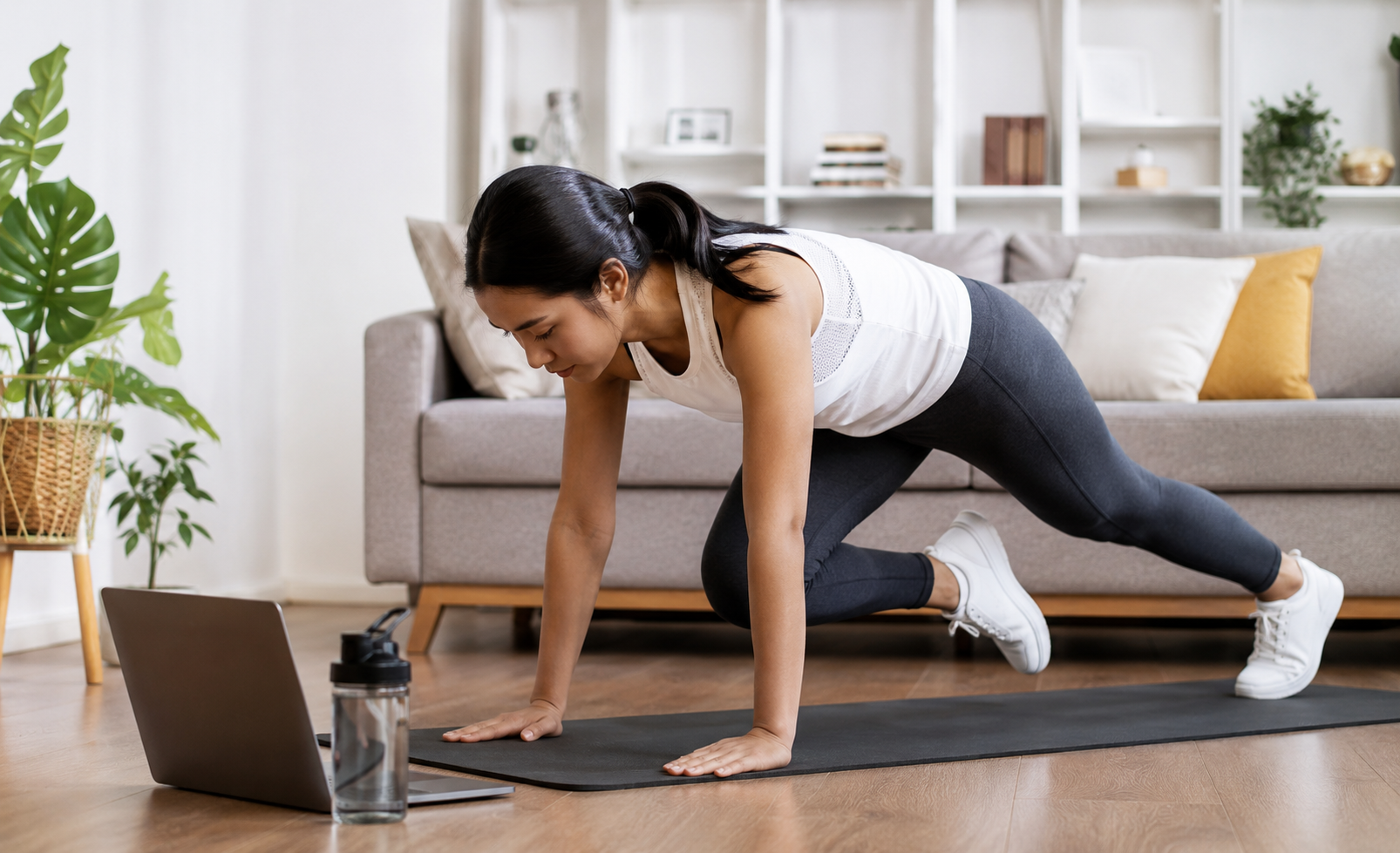
Movement-based hobbies like walking, home workouts, or yoga require minimal equipment and offer both physical and mental benefits.
Why Try It?
Regular movement is widely recognized as beneficial for physical health and stress management, and these options are flexible enough to fit almost any schedule or fitness level.
Cost to Get Started
Free to low — walking requires no equipment, and many yoga or workout routines are available free online; a mat adds minor cost.
Time Commitment
Works for 15–60 minute sessions, and even short, consistent sessions offer benefits over time.
Skill Level
Beginners can start immediately, adjusting intensity and complexity as they build comfort and ability.
What You Need
- Comfortable clothing and shoes
- Optional: a yoga mat
- Optional: a free workout or yoga app
How to Start as a Beginner
- Start with short, manageable sessions rather than an intense routine you can’t sustain.
- Choose a specific time of day and treat it as a fixed part of your routine.
- Use free beginner-level videos or apps rather than assuming you need a gym membership.
- Focus on consistency over intensity in the first few weeks.
- Check with a healthcare provider first if you have any existing health concerns.
Who Might Enjoy It Most
People looking for stress relief, physical activity, or a hobby that doubles as a health habit.
Potential Downsides
It’s easy to lose motivation without a clear routine, and starting too intensely can lead to burnout or injury.
Beginner Tip: Anchor the habit to something you already do daily, like right after brushing your teeth in the morning, so it doesn’t rely purely on willpower.
DIY Crafts or Home Projects
DIY projects, from small crafts to home improvement tasks, offer a satisfying, hands-on way to create or fix something tangible.
Why Try It?
These projects provide a clear sense of accomplishment and can be genuinely useful, whether you’re making a gift or improving your living space.
Cost to Get Started
Low to moderate, depending on the project — many small crafts use household materials, while home projects may require tools or materials.
Time Commitment
Ranges from a single hour for small crafts to an entire weekend for larger projects.
Skill Level
Beginner-friendly projects exist at every skill level; complexity can increase as confidence builds.
What You Need
- Basic craft or tool supplies depending on the project
- Online tutorials or project guides
- A dedicated workspace, even a small one
How to Start as a Beginner
- Start with a small, low-risk project rather than an ambitious one.
- Use materials you already have where possible before buying anything new.
- Follow a clear tutorial rather than improvising on your first attempt.
- Set aside a specific block of time rather than trying to finish ‘eventually.’
- Expect some early projects to turn out imperfectly — that’s normal and part of learning.
Who Might Enjoy It Most
People who enjoy tangible, hands-on results and don’t mind a bit of trial and error.
Potential Downsides
Costs can add up with larger projects, some require specific tools or space, and mistakes can mean redoing work.
Beginner Tip: Pick one small, completable project to finish before starting a second one — unfinished projects are one of the most common reasons people lose interest in crafting.
Learning a New Skill or Language
Free time is a natural opportunity to build a skill you’ve always meant to learn, whether that’s a new language, coding, or another practical ability.
Why Try It?
It offers long-term personal or even professional value beyond simple relaxation, and progress can be genuinely motivating to track over time.
Cost to Get Started
Free to low using online resources, community classes, or library materials; paid courses are optional, not required.
Time Commitment
Flexible — works for short daily sessions using apps or longer, more focused study blocks.
Skill Level
Beginner-friendly resources exist for almost any skill; consistency matters more than natural aptitude at the start.
What You Need
- Free learning apps, YouTube tutorials, or library resources
- A notebook to track progress
- A consistent, even if small, time commitment
How to Start as a Beginner
- Choose a skill based on genuine interest or a specific goal, not just what seems impressive.
- Start with free resources before considering any paid course.
- Set a small, specific weekly goal rather than an open-ended one.
- Practice consistently in short sessions rather than infrequent long ones.
- Track progress somewhere visible to stay motivated during slower stretches.
Who Might Enjoy It Most
People motivated by long-term growth or a specific goal, such as career development or an upcoming trip.
Potential Downsides
Progress can feel slow, especially early on, and motivation can dip without a clear, trackable goal.
Beginner Tip: Tie your learning to a concrete, near-term goal, like a trip or a specific project, rather than an abstract goal like ‘becoming fluent someday.’
How to Choose the Right Hobby for Your Free Time
Best Hobbies for Relaxation
Reading, journaling, and gardening all offer a slower pace that tends to reduce stress rather than add another item to a to-do list.
Best Hobbies for Creativity
Drawing, photography, and cooking all provide room for creative expression without requiring formal artistic training.
Best Hobbies for Learning New Skills
Learning an instrument, a new language, or another practical skill offers the clearest long-term skill development among this list.
Best Low-Cost Hobbies
Reading, journaling, walking, and drawing all require little to no money to begin, using materials most people already have.
Best Hobbies You Can Do at Home
Reading, journaling, cooking, drawing, DIY crafts, and instrument practice can all happen entirely indoors.
Best Hobbies for Socializing
Cooking, DIY projects, and fitness activities like group yoga classes all offer natural opportunities to involve other people if you want a social element.
Best Hobbies for Staying Active
Walking, yoga, gardening, and photography (when shot outdoors) all incorporate physical movement into the hobby itself.
Best Hobbies for People With Very Little Free Time
Reading, journaling, and short walks all fit into small pockets of time, like 15 minutes, without requiring a longer dedicated block.
Best Hobbies If You Have a Small Budget
Cost shouldn’t be the reason a hobby feels out of reach. A few practical approaches can help:
- Use free online resources, including tutorials, apps, and library materials, before buying anything
- Borrow books, tools, or equipment from a library or a friend before purchasing your own
- Start with household materials you already own rather than buying hobby-specific supplies immediately
- Choose beginner-level equipment rather than premium gear, since you may change your mind about the hobby
- Avoid unnecessary purchases in the first few weeks while you’re still deciding if the hobby is a good fit
- Upgrade only once you’ve developed genuine, sustained interest in the activity
Hobbies Based on How Much Free Time You Have
If You Have 10–20 Minutes
Journaling, a quick sketch, or a short walk all fit comfortably into a small window of time.
If You Have 30–60 Minutes
A yoga session, a chapter of reading, or a short cooking project all work well in this range.
If You Have a Few Hours
Gardening, a more involved recipe, a longer photography outing, or focused instrument practice all suit a longer, uninterrupted block.
If You Have an Entire Weekend
A DIY home project, a deeper gardening session, or dedicating real time to learning a new skill all make good use of extended free time.
How to Start a New Hobby Without Losing Motivation
- Start small — a short, low-pressure first session builds momentum better than an ambitious first attempt
- Set realistic goals, like 15 minutes a day, rather than vague intentions to ‘get better’
- Create a simple routine, like a specific time of day, so the hobby doesn’t rely purely on motivation
- Track your progress in a simple way, even just a checkmark on a calendar
- Avoid perfectionism, especially in the first few weeks — early results are supposed to be rough
- Choose something you’re genuinely drawn to rather than a hobby that sounds impressive to others
- Give a new hobby a real trial period, like a month, before deciding whether it’s actually for you
Frequently Asked Questions
What are the best hobbies to start in your free time?
The best hobby depends on your interests, budget, and available time, but reading, drawing, cooking, walking, and journaling are all accessible starting points for most people.
What is a good hobby for someone who is bored at home?
Cooking, DIY crafts, journaling, or learning a new skill through free online resources are all engaging options that require no special space or equipment beyond what most homes already have.
What are some inexpensive hobbies for adults?
Reading, journaling, walking, and drawing are among the most affordable hobbies, often requiring nothing beyond materials people already own or free library resources.
What hobbies can I start without buying equipment?
Reading, journaling, walking, and bodyweight fitness routines can all be started with items most people already have at home.
What are good hobbies to do alone?
Reading, journaling, drawing, gardening, and learning a new skill are all well-suited to solo practice and don’t require a partner or group to enjoy.
What are relaxing hobbies to try after work?
Reading, gentle yoga, journaling, and gardening are commonly recommended for winding down, since they involve a slower pace than more intense activities.
What hobbies can help you learn useful skills?
Learning an instrument, a new language, cooking, or a practical DIY skill all build abilities that extend beyond the hobby itself, sometimes into other areas of life or work.
What are easy hobbies for complete beginners?
Reading, journaling, and walking are among the easiest hobbies to begin immediately, since they require no prior experience or specialized equipment.
How do I choose a hobby that I will actually stick with?
Pick something based on genuine interest rather than trend, start with a small and specific goal, and give it a real trial period, like a month, before deciding whether it fits.
Can a hobby become a source of income?
Some hobbies, like photography, writing, cooking, or crafting, can potentially develop into income streams over time, though this typically requires significant additional skill-building and isn’t guaranteed.
Conclusion
There’s no single best hobby to try in your free time — the right choice depends on your budget, your schedule, and what genuinely interests you rather than what looks appealing from the outside. A quiet, reflective hobby like journaling suits a different need than an active one like yoga or a creative one like drawing, and there’s real value in trying more than one before settling on what fits.
If you’re not sure where to start, pick whichever hobby from this list sounds the least intimidating and give it one small session this week — fifteen minutes is enough to find out if it’s worth a second try.
Internal Linking Opportunities
- Article: “10 Best Journaling Prompts for Beginners” | Anchor text: “simple journaling prompts to get started” | Placement: Writing or Journaling section
- Article: “Beginner’s Guide to Starting a Vegetable Garden” | Anchor text: “starting a small vegetable garden” | Placement: Gardening section
- Article: “Easy Weeknight Recipes for Beginner Cooks” | Anchor text: “easy beginner-friendly recipes” | Placement: Cooking or Baking section
- Article: “How to Choose Your First Camera” | Anchor text: “choosing your first camera” | Placement: Photography section
- Article: “Simple Home Workouts You Can Do Without Equipment” | Anchor text: “home workouts without equipment” | Placement: Walking, Fitness, or Yoga section
- Article: “Beginner’s Guide to Learning an Instrument at Home” | Anchor text: “learning an instrument at home” | Placement: Learning a Musical Instrument section
- Article: “10 Best Language-Learning Apps for Beginners” | Anchor text: “free language-learning apps” | Placement: Learning a New Skill or Language section
- Article: “Simple DIY Projects for Small Living Spaces” | Anchor text: “easy DIY projects for small spaces” | Placement: DIY Crafts or Home Projects section
- Article: “How to Build a Habit That Actually Sticks” | Anchor text: “building a habit that sticks” | Placement: How to Start a New Hobby Without Losing Motivation section
- Article: “Budget-Friendly Self-Care Ideas for Every Day” | Anchor text: “affordable self-care ideas” | Placement: Best Hobbies If You Have a Small Budget section